
Beginner’s guide
Start here
How this site can help
You’ll find plain-language articles based on public health guidance, everyday recipes, and planning tools that work without an account. Everything here is educational. If you have a health condition, take medication, are pregnant or are planning big changes, talk with your doctor or a registered dietitian first.
There’s no single right way to begin. Choose the path below that feels most doable right now, or read How to Lose Weight: A Practical Beginner’s Guide for the big picture. If it all feels like too much, start with how to start when you feel overwhelmed.
Choose a path
Eating
Start with the plate in front of you rather than a strict plan.
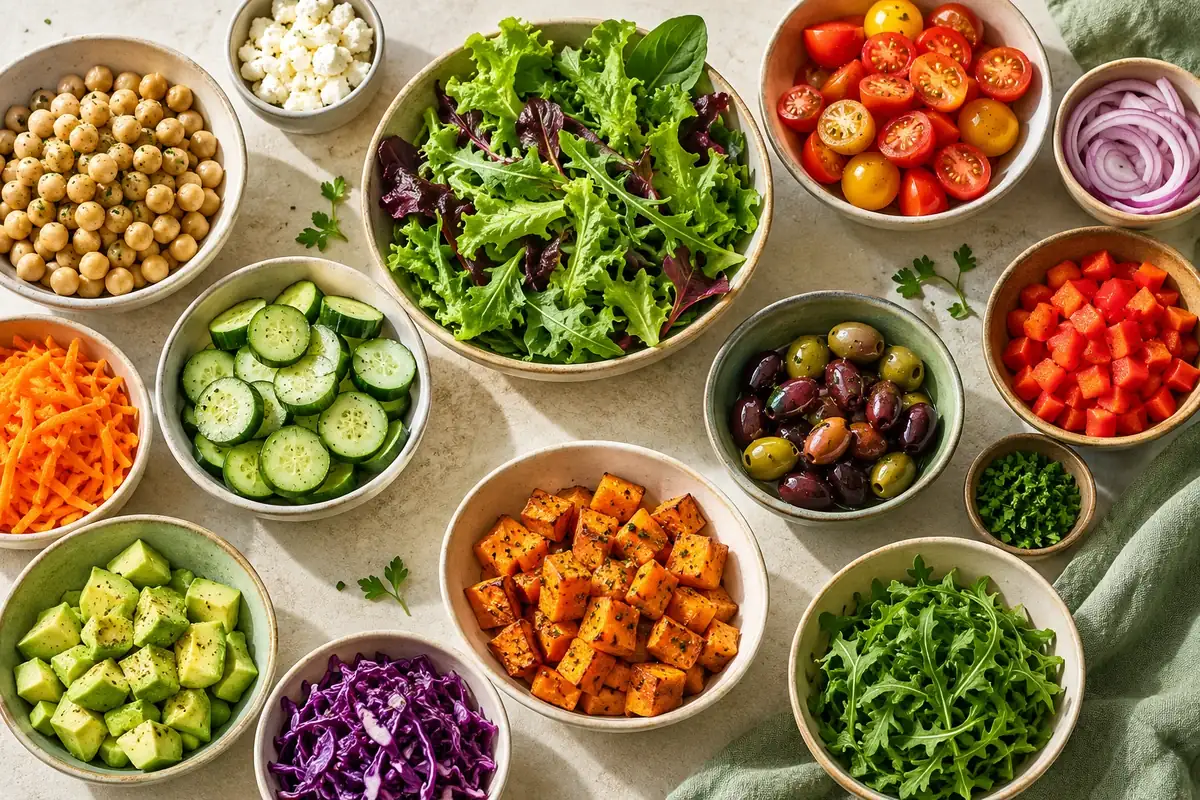
Learn a simple way to build meals. How to build a balanced plate
Get a feel for portions without weighing everything. Understanding portions
Try one new everyday recipe this week. Browse recipes
Activity
Any movement counts. Begin where you are and build gradually.
Find small ways to move more during the day. Move more every day
Start a gentle walking routine. Beginner walking guide
Pencil a few short walks into your week. Walking for weight loss
Routines
Steady routines make healthy choices easier on busy days.
Choose one small habit and make it easy to repeat. Building consistent habits
Give your evenings a calmer shape. A bedtime routine for better sleep
Plan a few meals ahead. Meal prep basics
Tools
Free calculators for a quick estimate. Use only what helps.
Check your body mass index as one starting point. BMI calculator
Estimate how much energy your body uses in a day. Energy estimator
A simple first week
Pick one area — eating, activity or routines — to focus on first.
Choose one specific, small action, such as “add vegetables to lunch” or “walk for 10 minutes after dinner.”
Decide when and where you’ll do it, and attach it to something you already do.
Mark it on a calendar or checklist if that helps you notice progress.
At the end of the week, keep what worked and adjust what didn’t. Missing a day is normal.