Keto
Keto vs. Low Carb: What Is the Difference?
Compare keto and low-carb diets, including ketosis, food choices, flexibility, and questions to consider before changing your eating pattern.
3 min read

Understanding different eating patterns
Sources checked
Bread, rice, pasta, sugar and many starchy foods are cut back sharply, much further than in most low-carb plans.
Most of the day’s energy comes from fat. Protein is kept moderate rather than high.
The goal is a state in which the liver makes more ketones from fat for the body to use as fuel.
“Keto” is short for ketogenic diet: a very low-carbohydrate, high-fat way of eating with a moderate amount of protein.[1][3] It isn’t new. Doctors have used carefully managed ketogenic diets for about a century, most notably to help children with epilepsy that doesn’t respond to medication.[1][2] Its popularity as a weight-loss approach is much more recent.
Carbohydrates are usually the body’s main source of quick energy. When very little carbohydrate is eaten, the liver steps up production of ketones, made from fat, as an alternative fuel.[1][3] That fat can come from food you eat as well as from the body’s fat stores, so being in ketosis doesn’t mean all the fat being used is stored body fat.[3]
The body doesn’t stop using glucose altogether. At first it draws on stored glucose, and it can also make some glucose from protein, which is one reason keto plans keep protein moderate rather than high.[1] Mild ketosis also happens naturally, for example overnight while you sleep.[1]
There is no single standard keto diet, and food lists from different sources vary and sometimes conflict.[1] Keto is one eating pattern among many. It isn’t required for weight loss, and it isn’t the right choice for everyone.
In simple terms, ketosis is the body adjusting to a much lower supply of carbohydrate. This is a general explanation of the process, not instructions for getting into ketosis.
How long this takes and how many ketones build up differs between people, depending on things like body composition and metabolism.[1][3]
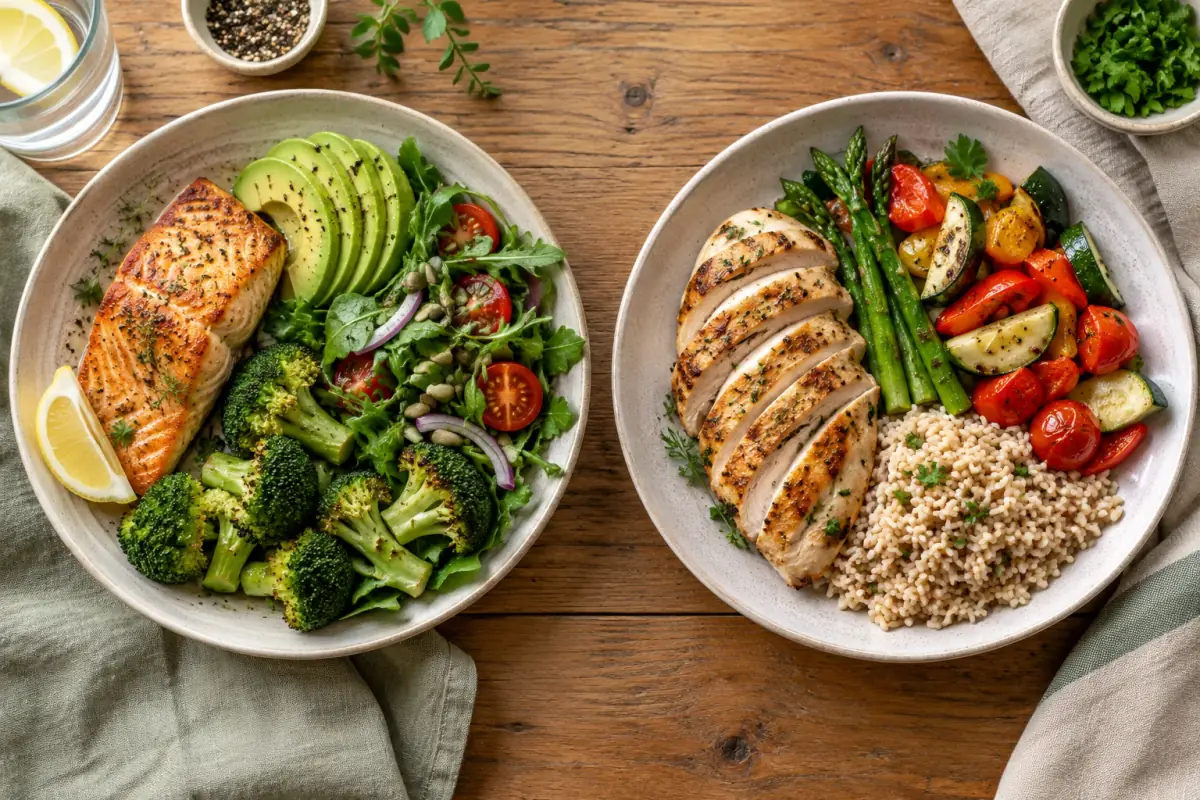
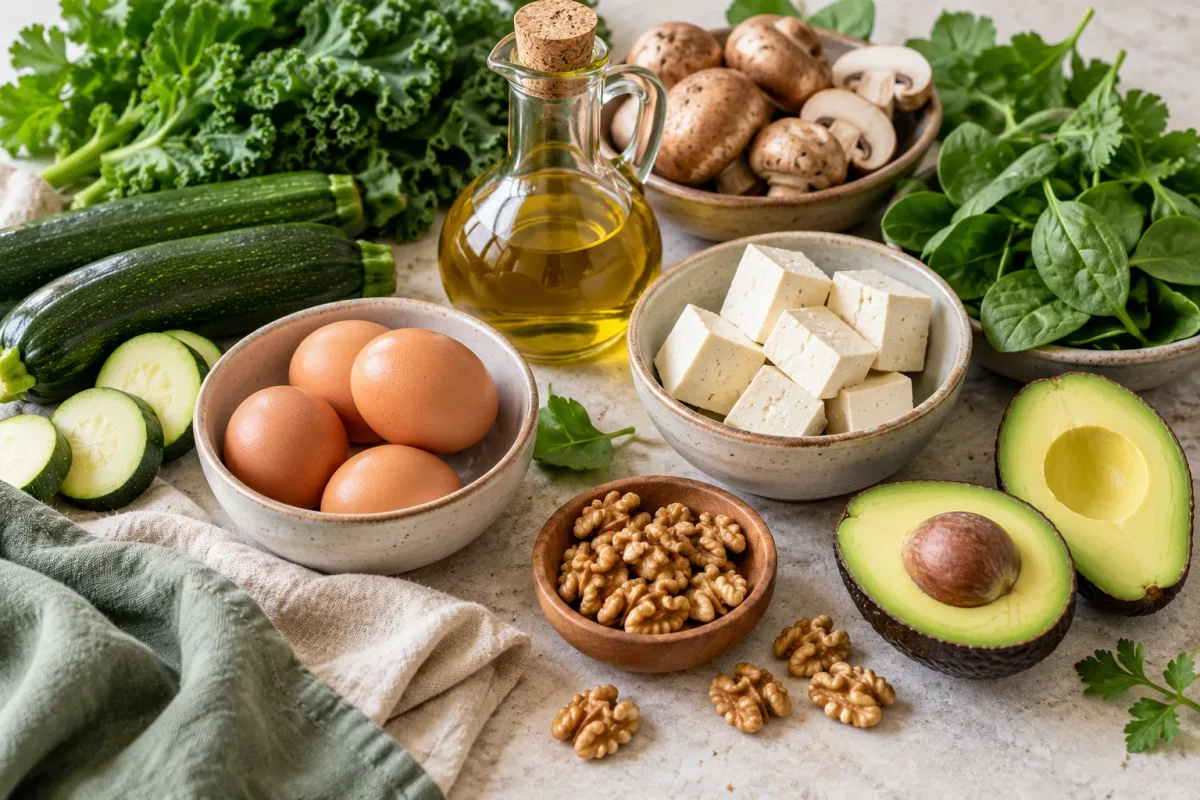
Keto plans differ, but most follow a similar pattern. These lists describe what keto plans usually include or limit. They don’t say whether a food is healthy or unhealthy.[1][3]
| Commonly included | Usually limited |
|---|---|
| Eggs, fish, meat, and suitable tofu options | Rice, bread, pasta, and other grains |
| Avocado, olive oil, nuts, and seeds | Potatoes and other starchy foods |
| Leafy greens and other non-starchy vegetables | Sugary drinks, sweets, and added sugars |
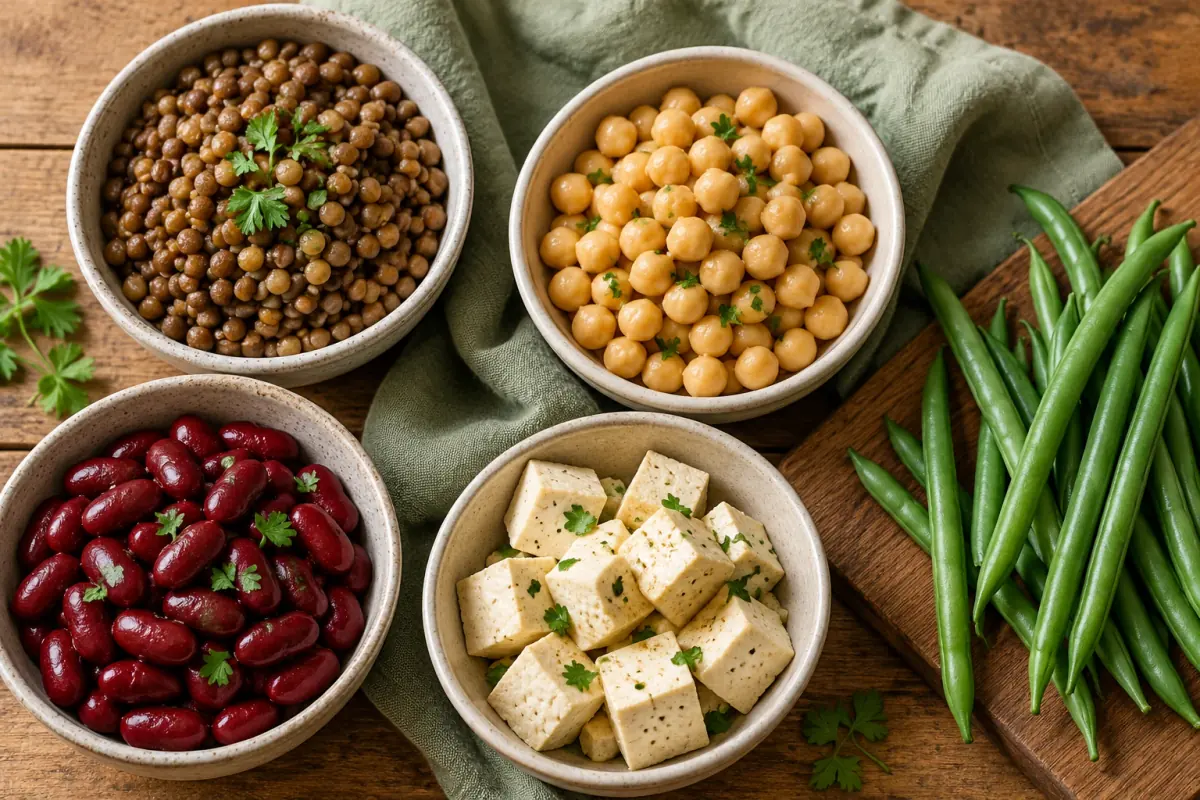
| Choices vary with the individual plan | Many fruits, beans, and lentils, depending on amounts and the plan |
Preparation and amounts matter. Fruit, beans, lentils and whole grains are limited on keto because of their carbohydrate content, not because they are harmful. Outside keto, they are good sources of fiber, vitamins and minerals.[1]
Fat sources vary a lot between keto plans. Some lean heavily on butter, fatty and processed meats. Others emphasize olive oil, avocado, nuts, seeds and oily fish, which are lower in saturated fat.[1][2] If you’d like to see how a typical meal is built more broadly, read how to build a balanced plate.
Weight loss is the main reason many people try keto. Here is what the evidence does and doesn’t show.
Short-term changes on the scale are often driven by water. Meals high in carbohydrates can make the body hold extra water for a while, so a sharp cut in carbohydrates can change the scale quickly without all of it being body fat.[4] See water weight vs. fat loss.
Ketones can be made from fat you eat as well as from stored body fat, so being in ketosis doesn’t by itself mean you are losing body fat.[3]
Keto sometimes produces faster weight loss at first than other diets, but that difference tends to disappear over time.[2] After about a year, results haven’t been significantly different from conventional weight-loss diets, and much of the research is small and short-term.[1]
Keto is one option, not a requirement. For a broader starting point, read how to lose weight. Before chasing a quick result, read what’s realistic about losing weight fast. And for building routines that last, see healthy weight loss habits.
Keto can work for some people, but it has real trade-offs. This is general information, not a personal assessment.
Cutting out grains, most fruit, beans and starchy vegetables leaves limited variety, and many people find it hard to maintain.[1][2]
Without a wide variety of allowed foods, keto can fall short on fiber, B vitamins and minerals such as iron, magnesium and zinc. A registered dietitian can help plan a version that meets your needs.[1]
Especially in the first days or weeks, people may notice hunger, tiredness, headaches, irritability, “brain fog” or constipation, sometimes called the “keto flu.”[1][3] Some also notice bad breath, nausea or sleep problems.[2]
Versions high in saturated fat may raise LDL (“bad”) cholesterol for some people. Choosing fats such as olive oil, avocado, nuts, seeds and fatty fish can help, and it’s worth discussing monitoring with your doctor.[1][2]
People with kidney disease need to be cautious.[2] Keto’s suitability during pregnancy, breastfeeding, childhood and the teen years, and for people with liver or kidney conditions, remains an open question.[1] Possible longer-term concerns such as kidney stones are still being studied.[1]
A doctor or registered dietitian can help you decide whether keto makes sense for you. These questions are a useful starting point.
Is weight loss appropriate for my health?
Does keto fit my medical conditions and medication?
How would I meet my nutrition needs?
What monitoring might be appropriate?
What approach could I realistically maintain?
Not necessarily. Early changes on the scale can include water, so a quick drop doesn’t tell you how much body fat you’ve lost.[4] Read more about water weight vs. fat loss.
It’s possible, but harder. Beans, lentils and most fruits are usually limited on keto,[1] so vegetarian versions often rely on eggs, dairy, tofu, nuts, seeds, avocado and plant oils. That makes it more restrictive, and a registered dietitian can help you plan it to meet your nutrition needs.
No. People with kidney disease need to be cautious,[2] and its suitability in pregnancy, breastfeeding and childhood hasn’t been settled.[1] People with diabetes who take insulin or other glucose-lowering medicines should talk with their healthcare team first.[6] Restrictive diets are also not a good fit for anyone with a history of disordered eating. Talk with a qualified professional before starting.
Harvard T.H. Chan School of Public Health, The Nutrition Source — Diet Review: Ketogenic Diet for Weight Loss. Checked Oct 16, 2026.
Harvard Health Publishing — Ketogenic diet: Is the ultimate low-carb diet good for you?. Checked Oct 16, 2026.
Cleveland Clinic — Ketosis. Checked Oct 16, 2026.
Cleveland Clinic — Why Does My Weight Fluctuate So Much?. Checked Oct 16, 2026.
CDC — Diabetic Ketoacidosis. Checked Oct 16, 2026.
Diabetes UK — Low-carb diet and meal plan. Checked Oct 16, 2026.
CDC — Steps for Losing Weight. Checked Oct 16, 2026.
Numbered markers in the text link to these sources. Linking to a source doesn’t mean it endorses this site. This page has not been medically reviewed.
Compare keto and low-carb diets, including ketosis, food choices, flexibility, and questions to consider before changing your eating pattern.
3 min read
Explore common keto foods, foods usually limited, and a practical way to read labels without treating a food list as a personal diet prescription.
3 min read

Is rice keto-friendly? Understand why ordinary rice is usually limited on strict keto, how portions matter, and how alternatives differ.
3 min read
Learn how lentils and beans fit into the keto discussion, why carbohydrate and fiber both matter, and how to compare portions and products.
3 min read

Understand early keto weight loss, the role of water-weight changes, and why first-week scale results cannot predict long-term fat loss.
3 min read

Learn what people mean by keto flu, why symptoms need context, and when illness after a diet change requires medical attention.
3 min read

Explore keto on a budget with meal-based shopping, practical ingredient comparisons, and ways to avoid unnecessary specialty purchases.
3 min read
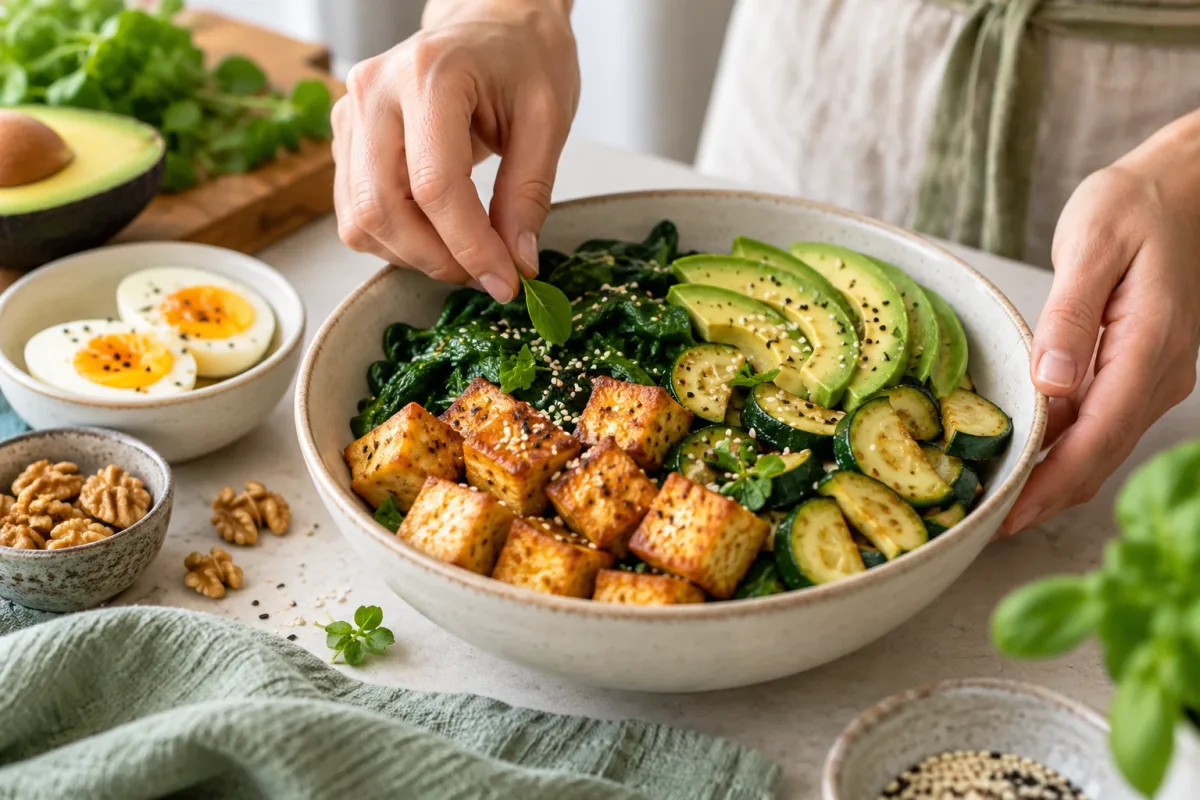
Understand vegetarian keto options, how it differs from vegan keto, and why protein variety and nutrient planning deserve attention.
3 min read
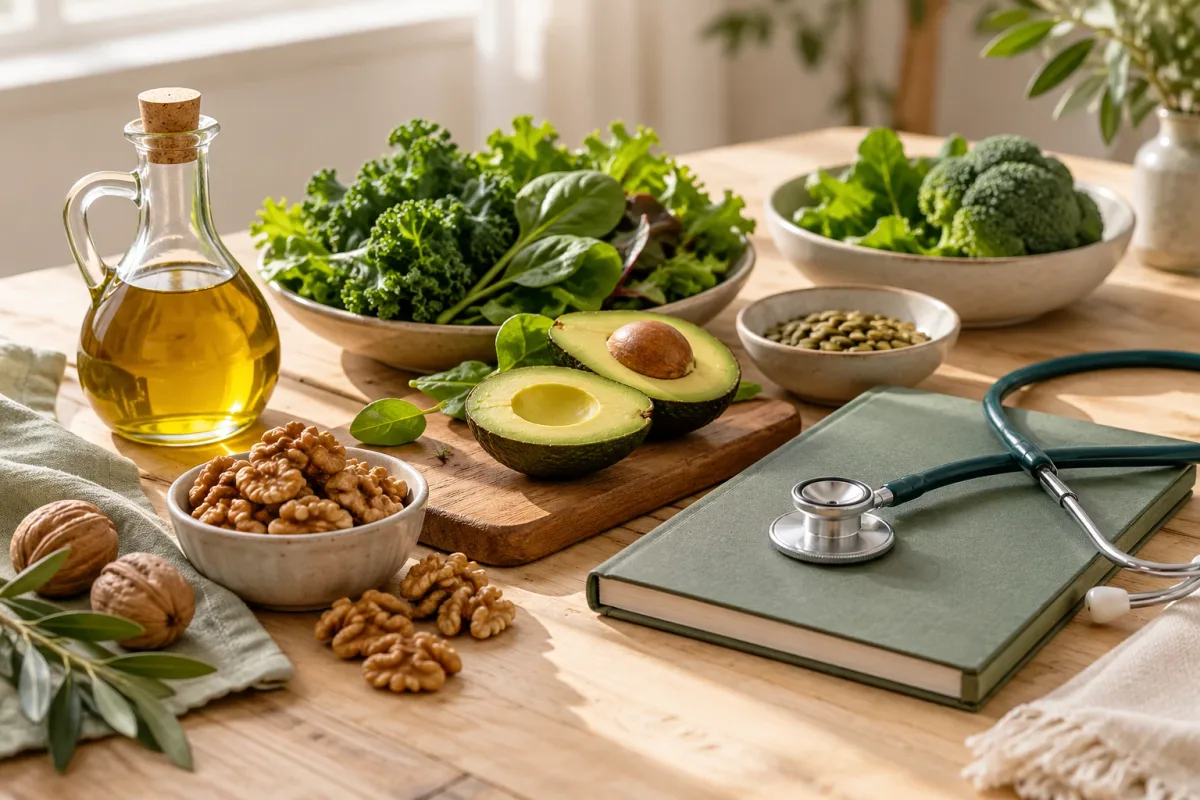
Explore keto and cholesterol, including LDL changes, food quality, research limitations, and questions to discuss with your healthcare team.
3 min read

Is keto necessary to lose weight? Compare the goal of ketosis with broader weight-management options and choose a plan that fits your needs.
3 min read

Learn how to lose weight with practical eating habits, manageable movement, and a simple starting plan built around your everyday life.
3 min read

Wondering how to lose weight fast? Learn what early scale changes mean, what expectations are realistic, and which shortcuts to avoid.
3 min read

Understand water weight versus fat loss, why quick scale changes can be misleading, and how to interpret progress without chasing dehydration.
2 min read

Build a healthy weight loss approach around flexible routines, enjoyable meals, support, and habits you can adapt over the long term.
3 min read