How to Lose Weight: A Practical Beginner’s Guide
If you are wondering how to lose weight, start with a plan you can repeat on an ordinary day. You do not need a perfect kitchen, an expensive program, or a complete change of personality. You need a clear starting point and a way to learn what works for your circumstances.
This guide is for adults considering weight management. Weight loss is not necessary for everyone. A clinician can help you decide whether it makes sense for your health, particularly if you have a medical condition or take medication.
Sources checked
3 min read

Understand the basic idea without blaming yourself
Weight loss generally involves using more energy than you take in over time. However, body weight also reflects biology, medications, health conditions, and the environment around you. Difficulty losing weight is not proof of weak willpower.[1]
Treat your first week as an information-gathering period. Notice when meals become rushed, where drinks fit into your day, and when movement is convenient. Write observations rather than judgments: “I bought lunch because I had no food ready” is more useful than “I failed again.”
Build a few dependable meals
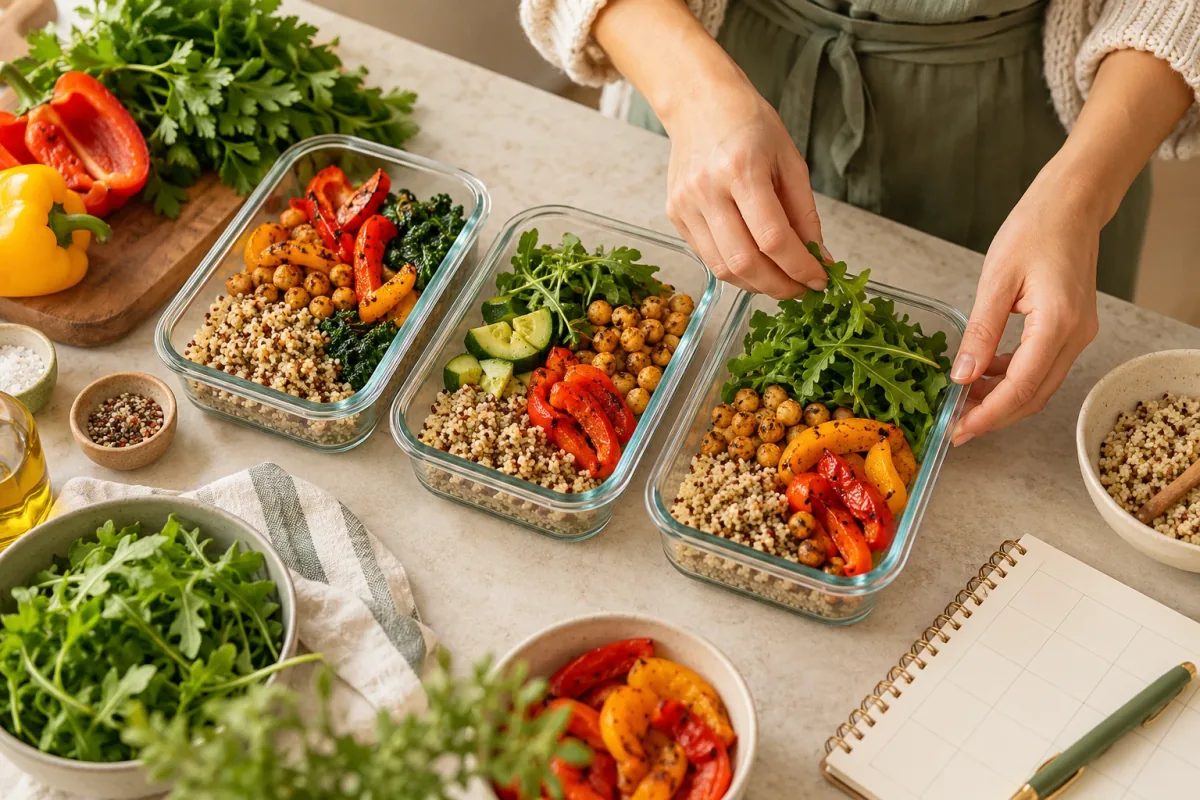
Choose meals you enjoy and can prepare with available ingredients. One option is rice with lentils and cooked vegetables. Another is a wrap with chicken or tofu and salad. Breakfast might be oats with yogurt or an alternative that suits your dietary needs.
These are examples, not a fixed menu or a promise of results. Portions, food preferences, allergies, and health needs differ. Start by making one meal more dependable instead of rewriting everything you eat.
Keep a backup meal for busy evenings. A combination of pantry staples and frozen ingredients can be practical when cooking from scratch is unrealistic. Put the backup on your shopping list before you need it.
Make movement fit the calendar
Look for a realistic opportunity: a short walk after lunch, a movement break between tasks, or an activity with a friend. Choose something you can access and adapt. A brief session that happens is a better starting experiment than an ambitious schedule you cannot attend.
If you are inactive or managing a condition that affects exercise, ask your healthcare team about an appropriate starting point. The goal is to build a routine, not to use exercise as punishment for eating.
Track actions as well as outcomes
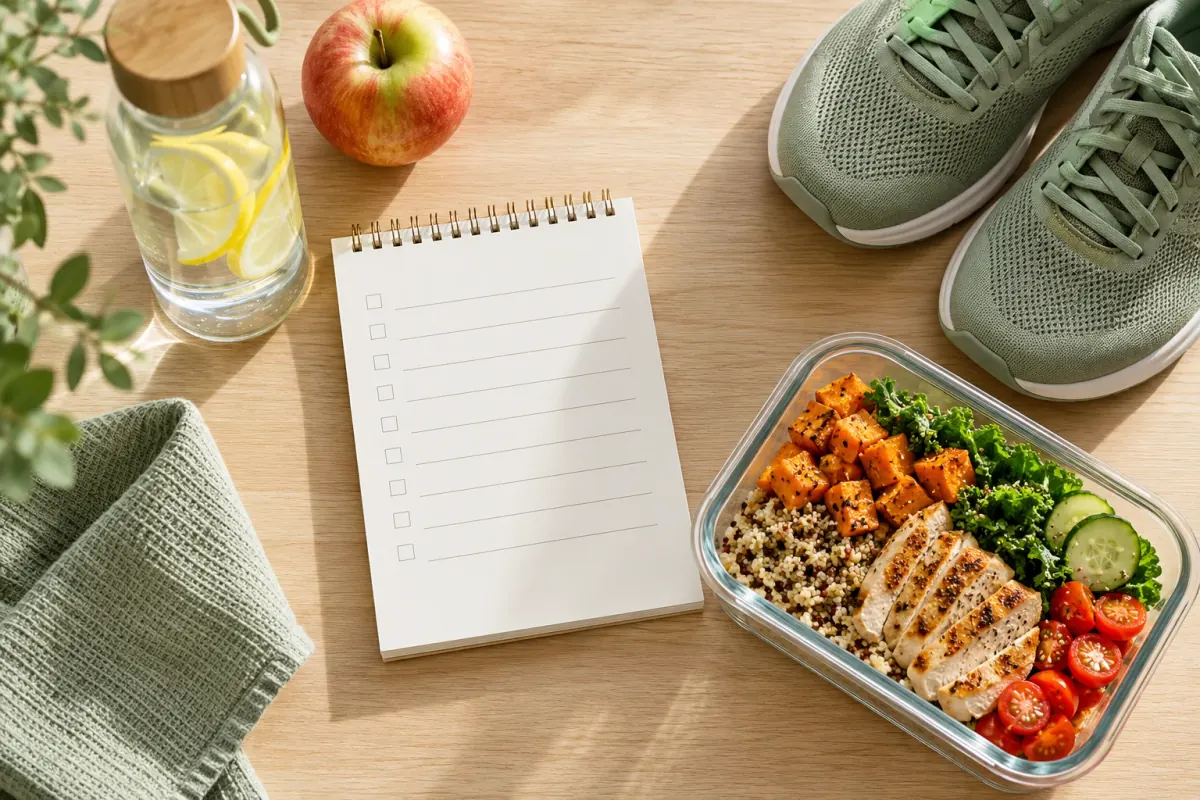
Select two behaviors to record, such as preparing lunch and completing a planned walk. A simple checklist can show whether the plan fits your life. If you choose to weigh yourself, do so under similar conditions and interpret patterns rather than judging a single number.
You can also note whether shopping feels easier, your routine is more predictable, or you can repeat an activity more comfortably. These observations do not replace medical assessment, but they make your review more useful.
Try this first-week plan
- Day 1: Write one personal reason for making a change.
- Day 2: Choose two simple meals and make a grocery list.
- Day 3: Prepare one meal component or assemble tomorrow’s lunch.
- Day 4: Try a manageable movement session.
- Day 5: Identify the hardest part of the week without criticizing yourself.
- Day 6: Arrange one backup meal or activity option.
- Day 7: Keep what worked and simplify what did not.
This is a planning exercise, not a seven-day weight-loss guarantee.
Common questions
Do I need to change everything at once?
No. Begin with a small number of actions so you can tell what is workable. Add complexity only when the basics fit your schedule.
What if I want to lose weight fast?
Read what is realistic about fast weight loss before following a restrictive plan. Faster is not automatically better, and dramatic online claims often leave out important context.
Write down one idea from this guide and turn it into a practical next step.
About this article
General education for adults, based on the sources listed below. This article has not been medically reviewed.
This information is educational and is not a substitute for advice from your doctor or a registered dietitian. Read our health disclaimer and editorial policy. Spotted an error? Tell us.
Sources
NIDDK — Factors Affecting Weight & Health. Checked Oct 15, 2026.
Sources checked on October 15, 2026. Numbered references support the factual statements marked in the text. Practical scenarios and planning templates are original examples, not clinical study results.