21 Practical Weight Loss Tips for Everyday Life
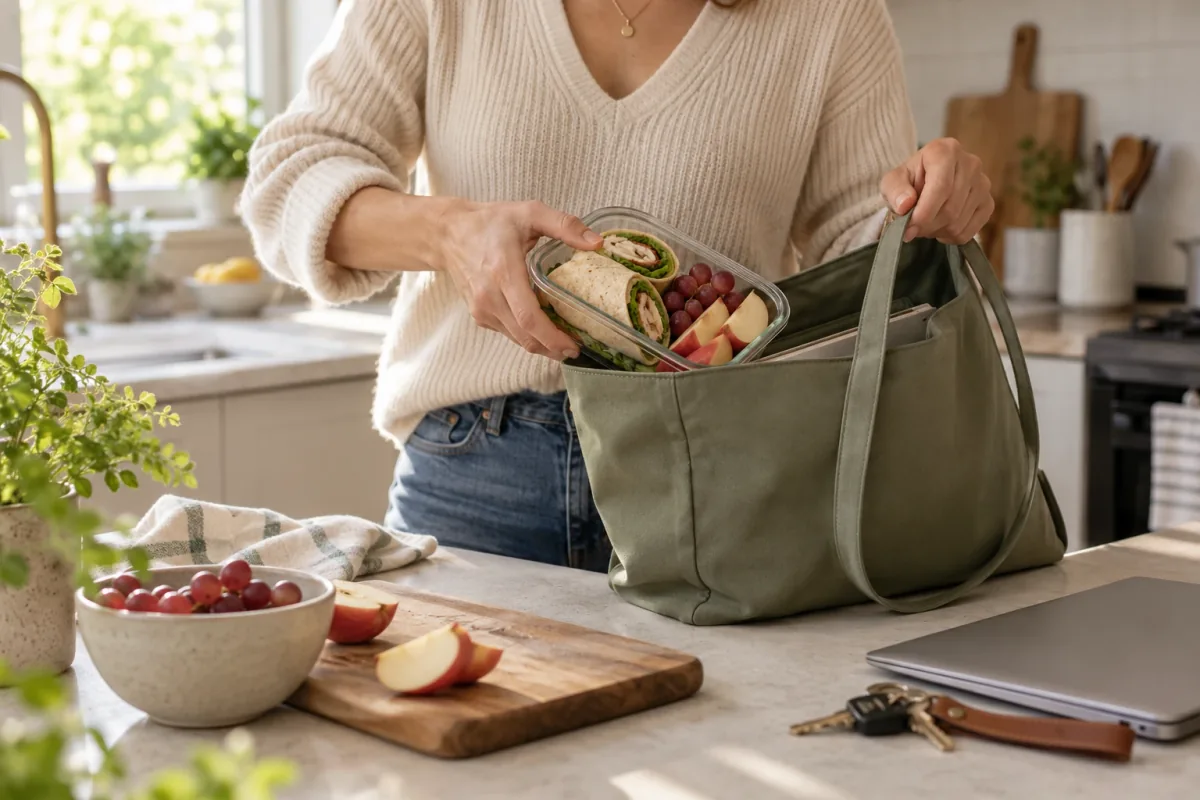
The most useful weight loss tips are ones you can adapt to your own schedule. A list should give you choices, not another set of rules to fail. Pick two ideas from this article and test them for a week before adding more.
These suggestions are practical planning options for adults. They are not a personalized diet, and no single tip guarantees weight loss.
Sources checked
3 min read

Make meals easier to organize
1. Decide on tomorrow’s lunch today
Write down the meal before the evening becomes busy. Check that the ingredients are available, or choose a realistic alternative.
2. Keep one backup dinner
Choose a meal made from ingredients you usually have. A familiar fallback can be easier than deciding from an empty refrigerator.
3. Reuse ingredients across meals
For example, use cooked vegetables in a bowl one evening and a wrap the next. Plan around safe storage and how much you will actually eat.
4. Give your grocery list a purpose
Group purchases by the meals you intend to make. A list of unrelated “healthy” foods can still leave you unsure what to cook.
5. Include foods you enjoy
Do not build an entire week around meals you dislike. Write down a few satisfying options that suit your preferences and budget.
6. Make serving dishes accessible
Keep a bowl, plate, and lunch container easy to reach. Simple setup changes can make home meals less inconvenient.
7. Look at the serving information
The amount you eat may differ from the amount used on a package label. Check the reference amount before comparing products.[1]
Adapt movement to real life
8. Put a movement appointment on the calendar
Use a specific cue, such as after a meeting or before an evening activity. Keep the first appointment manageable.
9. Prepare the practical details
Leave suitable shoes where you will see them. Check your route, weather, and accessibility needs ahead of time.
10. Make an indoor alternative
Decide what you will do when outdoor activity is impractical. Choose an option appropriate for your space and ability.
11. Invite company if you enjoy it
Ask someone to join a walk or activity. Make the invitation about spending time together, not comparing bodies.
12. Record participation rather than punishment
Mark the activity you completed. Avoid treating food as something you must earn through exercise.
Build a routine you can maintain
13. Choose a minimum version
Define what a busy-day version looks like: assembling lunch rather than cooking, or doing a shorter planned activity.
14. Review one obstacle at a time
If evenings are difficult, solve the evening problem. Do not assume the entire plan needs replacing.
15. Use a simple habit tracker
Track only a few actions. An elaborate dashboard is not required to learn whether your plan is happening.
16. Leave room for social meals
Include restaurant meals and celebrations in your planning. They do not need to become exceptions followed by punishment.
17. Make bedtime preparation visible
Choose a practical evening cue, such as putting tomorrow’s essentials together before you settle down.
18. Notice progress beyond weight
Record a task that feels easier or a routine you repeated. Keep those observations separate from medical health measures.
19. Ask for specific support
“Can we plan dinner before shopping?” gives someone a clearer way to help than “Make me stay motivated.”
20. Treat setbacks as information
Write what happened and what would make the next attempt easier. Avoid assigning a moral meaning to a difficult day.
21. Get individualized help when needed
Bring persistent concerns to a qualified professional. Advice should account for your health, preferences, and circumstances.
Choose your next two tips
Try pairing one food-planning action with one routine action. For example, choose tomorrow’s lunch and write the decision on a simple checklist or calendar.
Common questions
Should I follow all 21 tips?
No. This is a menu of options. A smaller, workable plan is easier to evaluate.
Do these tips promise fast weight loss?
No. They help organize everyday actions. Read the beginner’s guide for the broader approach.
About this article
General education for adults, based on the sources listed below. This article has not been medically reviewed.
This information is educational and is not a substitute for advice from your doctor or a registered dietitian. Read our health disclaimer and editorial policy. Spotted an error? Tell us.
Sources
FDA — How to Understand and Use the Nutrition Facts Label. Checked Oct 15, 2026.
Sources checked on October 15, 2026. Numbered references support the factual statements marked in the text. Practical scenarios and planning templates are original examples, not clinical study results.