Meal Planning for Weight Loss: A Beginner’s Guide
Meal planning for weight loss does not have to mean eating the same food every day. It means deciding enough in advance that your next meal is easier to arrange. A useful plan leaves space for leftovers, restaurant meals, changing appetites, and busy evenings.
Planning itself does not guarantee weight loss. Think of it as an organizational tool that can support the eating pattern you choose with appropriate professional guidance.
Updated
Sources checked
3 min read
Start with your actual week
Before choosing recipes, look at your calendar. Which evenings allow cooking? When will you be away from home? Which meals are already arranged? Mark those first so you do not shop for seven dinners when you only need four.
Next, check your refrigerator, freezer, and cupboards. Identify foods you can use soon and build one or two meals around them. USDA’s meal-planning resources encourage using available food and planning to reduce spoilage.[1]
Choose a small set of meal building blocks
For an introductory plan, choose a few options from each group:
- A grain or starchy food you enjoy, such as rice, potatoes, or bread.
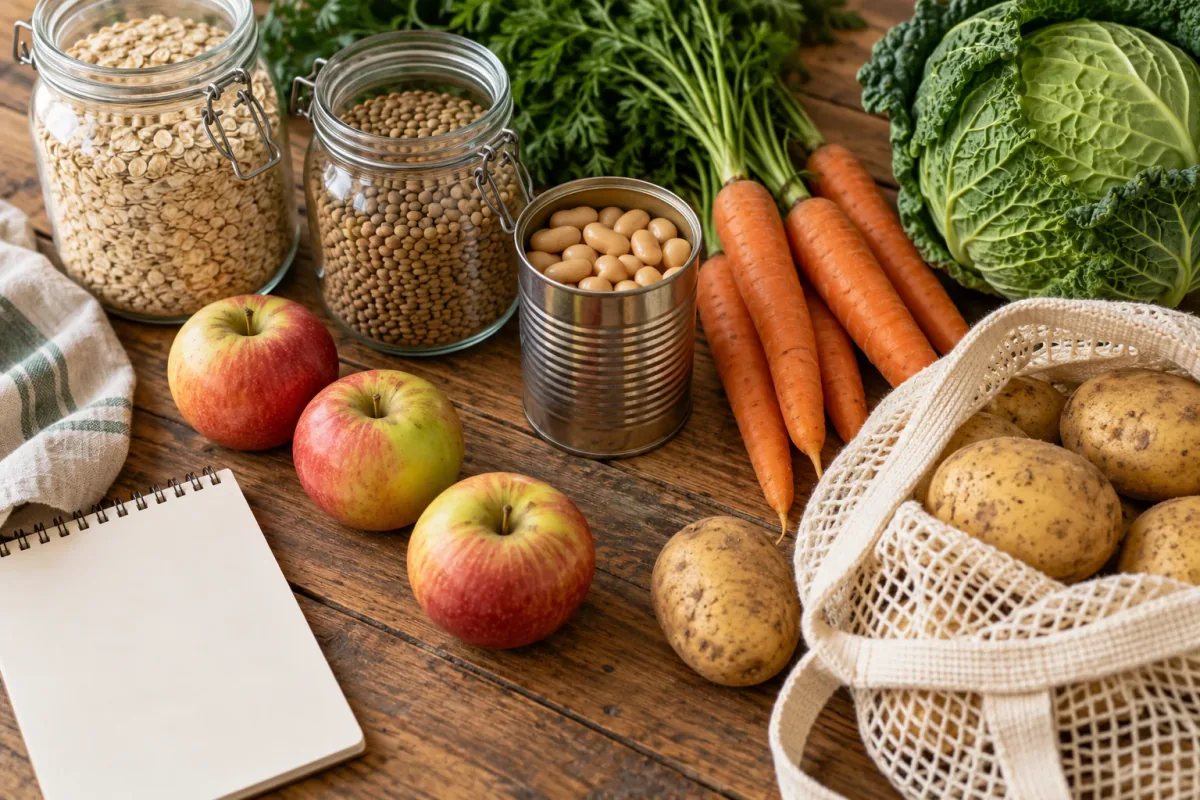
- Protein options such as lentils, beans, eggs, tofu, fish, or chicken.
- Vegetables and fruit that fit your budget and preferences.
- Flavorings, sauces, or other additions that make meals enjoyable.
This is an example planning framework rather than a nutritional prescription. Adapt it for allergies, cultural preferences, and medical needs.
One evening might use rice, lentils, and vegetables. Another could use the same vegetables in an egg or tofu dish. You are planning combinations, not trying to turn every meal into a new cooking project.
Use a flexible three-day example
- Monday
Breakfast idea
Oats with fruit
Lunch idea
Bean and vegetable wrap
Dinner idea
Rice, lentils, and vegetables
- Tuesday
Breakfast idea
Yogurt or suitable alternative with oats
Lunch idea
Leftover dinner, stored safely
Dinner idea
Chicken or tofu with potatoes and vegetables
- Wednesday
Breakfast idea
Eggs or tofu on toast
Lunch idea
Chickpea bowl
Dinner idea
A planned restaurant meal or simple pantry dinner
| Day | Breakfast idea | Lunch idea | Dinner idea |
|---|---|---|---|
| Monday | Oats with fruit | Bean and vegetable wrap | Rice, lentils, and vegetables |
| Tuesday | Yogurt or suitable alternative with oats | Leftover dinner, stored safely | Chicken or tofu with potatoes and vegetables |
| Wednesday | Eggs or tofu on toast | Chickpea bowl | A planned restaurant meal or simple pantry dinner |
These are meal ideas, not a complete diet or a calorie-controlled menu. Choose quantities that fit your needs. Snacks and drinks also belong in your personal plan if you use them.
Turn the plan into a grocery list
List the ingredients for the meals you selected, subtract what you already have, and group the rest by store section. Check the quantity before buying a large package solely because it appears economical.
Add one fallback meal. If a late meeting changes dinner, you will already have an alternative. You can also leave one meal undecided rather than filling every box with an unrealistic commitment.
Keep your weekly plan and grocery list together, then review the list before shopping.
Prepare the part that causes the most friction
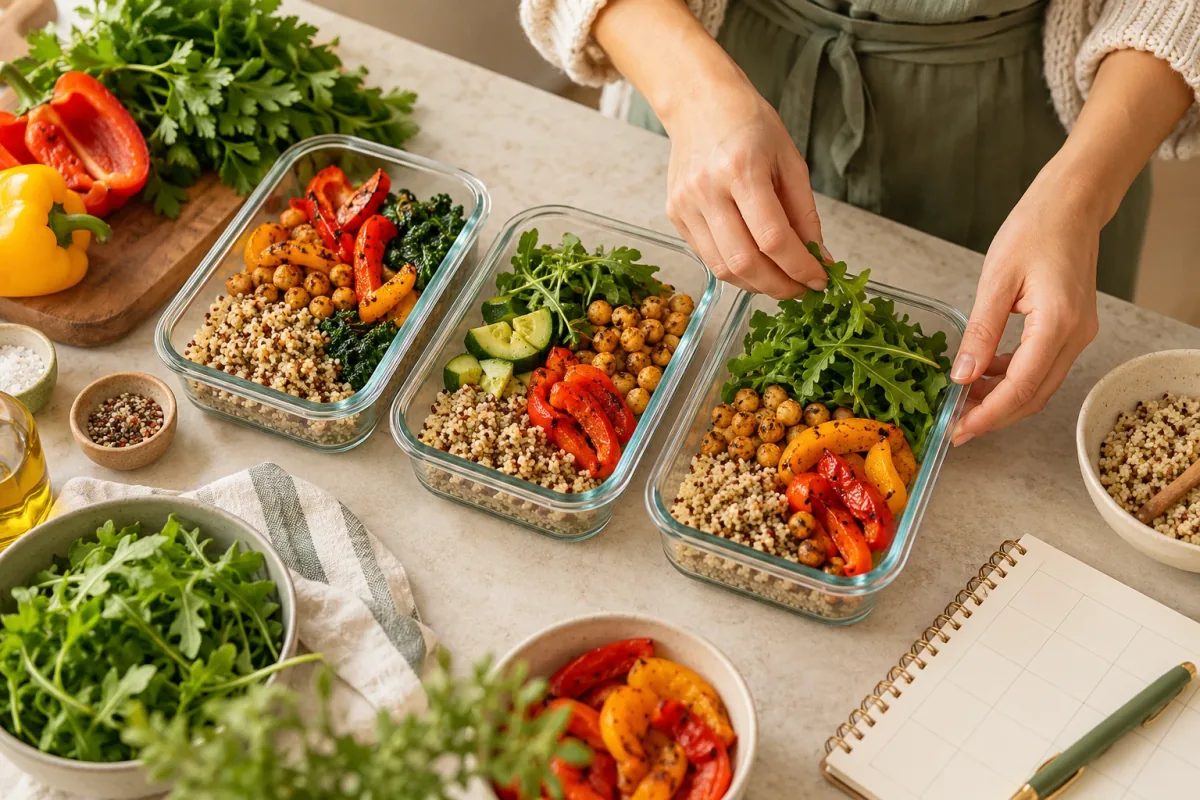
You do not have to cook all meals on Sunday. You might prepare one sauce, wash produce, portion ingredients, or simply make sure tomorrow’s lunch is ready to assemble. Follow appropriate food-storage and reheating instructions for what you prepare.
At the end of the week, ask what you actually used. Replace abandoned recipes with simpler options. Repeated meals are acceptable if you enjoy them and the overall pattern meets your needs.
Common questions
Must I count calories to make a meal plan?
No. A calendar and ingredient list can be useful without calorie tracking. If you need individualized intake guidance, discuss it with a qualified professional.
What if I eat out several times a week?
Put those meals on the calendar. Use the eating-out guide to plan around them rather than pretending they will not happen.
About this article
General education for adults, based on the sources listed below. This article has not been medically reviewed.
This information is educational and is not a substitute for advice from your doctor or a registered dietitian. Read our health disclaimer and editorial policy. Spotted an error? Tell us.
Sources
Nutrition.gov (USDA) — Food Shopping and Meal Planning. Checked Oct 15, 2026.
Sources checked on October 15, 2026. Numbered references support the factual statements marked in the text. Practical scenarios and planning templates are original examples, not clinical study results.