Healthy Eating on a Budget: Practical Meal Planning Ideas
Healthy eating on a budget begins with what you can access and afford, not with a list of expensive products. You do not need special “weight loss foods” to start organizing meals. Familiar ingredients can be the foundation of a workable plan.
Prices vary by location and store, so this article does not promise a fixed weekly cost. Treat the ideas as choices to test against your own budget.
Updated
Sources checked
2 min read
Check what you already have
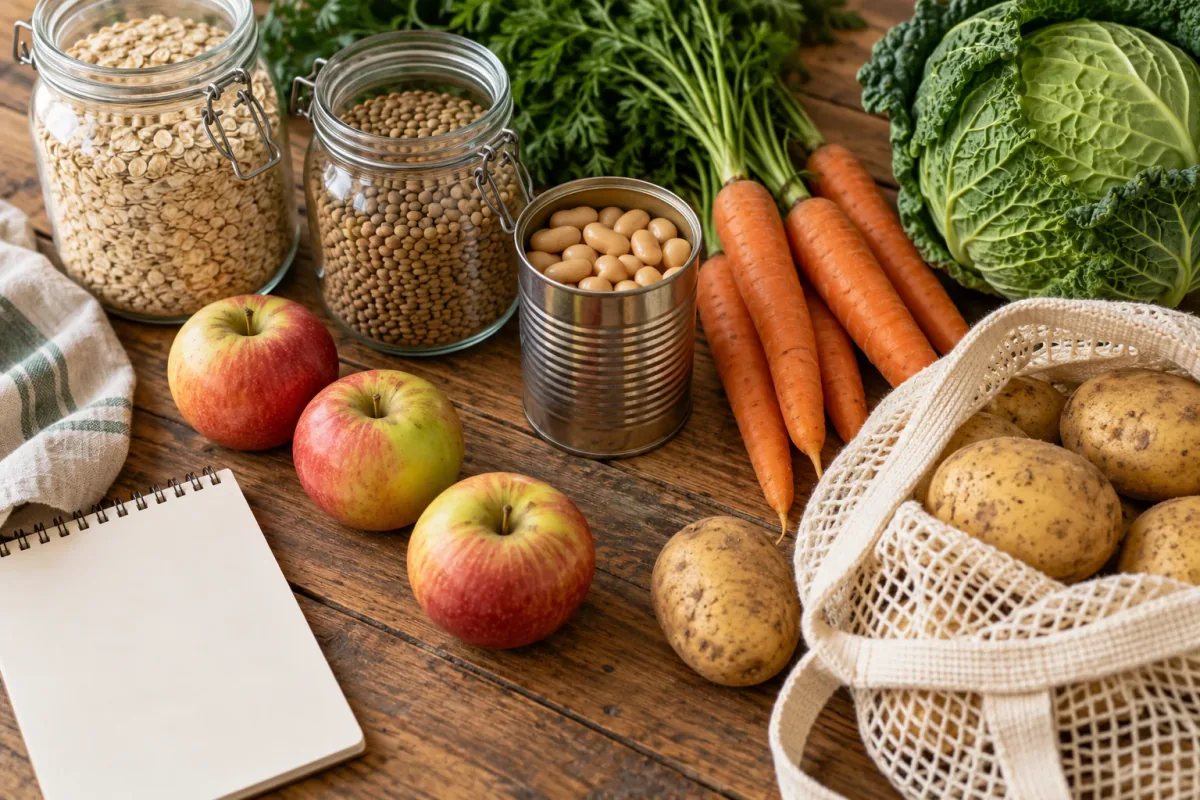
Before shopping, write down ingredients you can use in the next few meals. This might include a partly used bag of rice, frozen vegetables, or canned beans. Check food condition and storage guidance rather than using something simply because it is available.
USDA’s budget resources emphasize planning purchases and using food effectively.[1] You can apply that idea without creating a complicated spreadsheet.
Plan ingredients across more than one meal
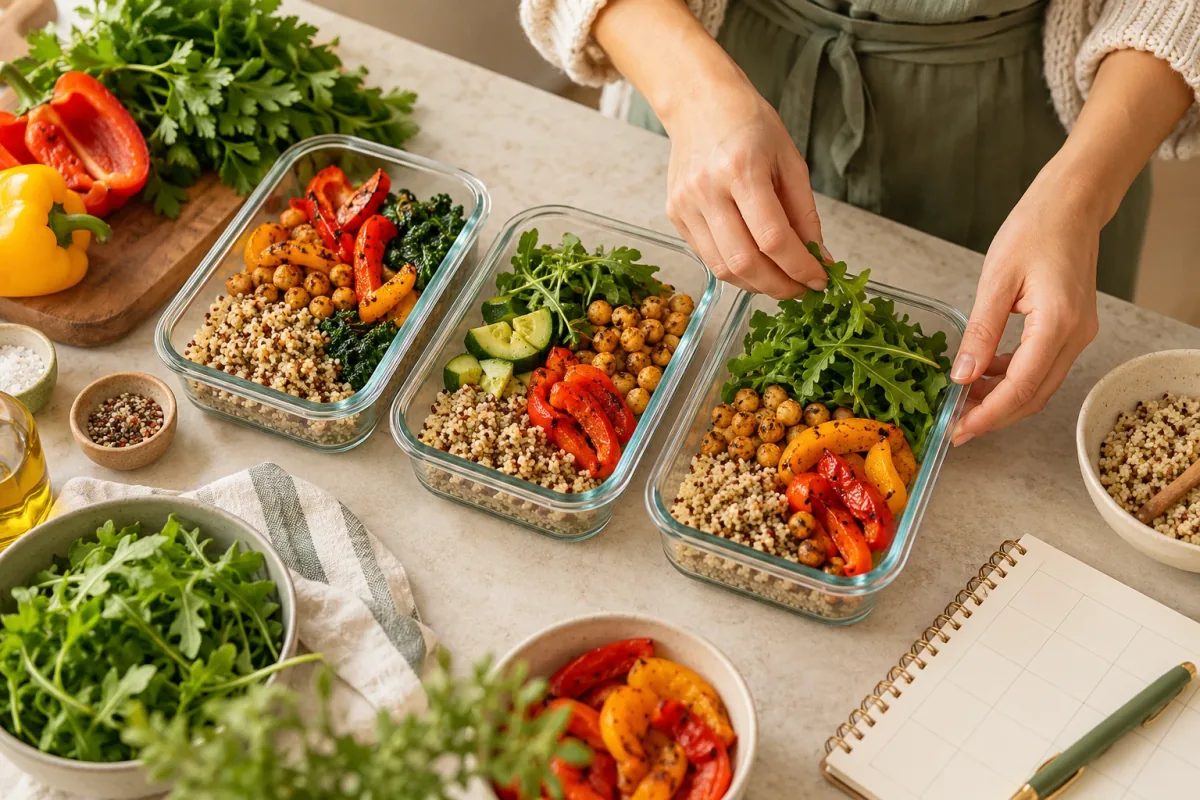
Choose meals that share ingredients you enjoy. Rice might accompany lentils one evening and a vegetable-and-egg dish another day. A package of vegetables might serve as a side and then go into a soup.
This is not an instruction to eat the same thing indefinitely. It is a way to avoid buying several ingredients for a recipe you make once and never revisit.
Compare the cost you will actually use
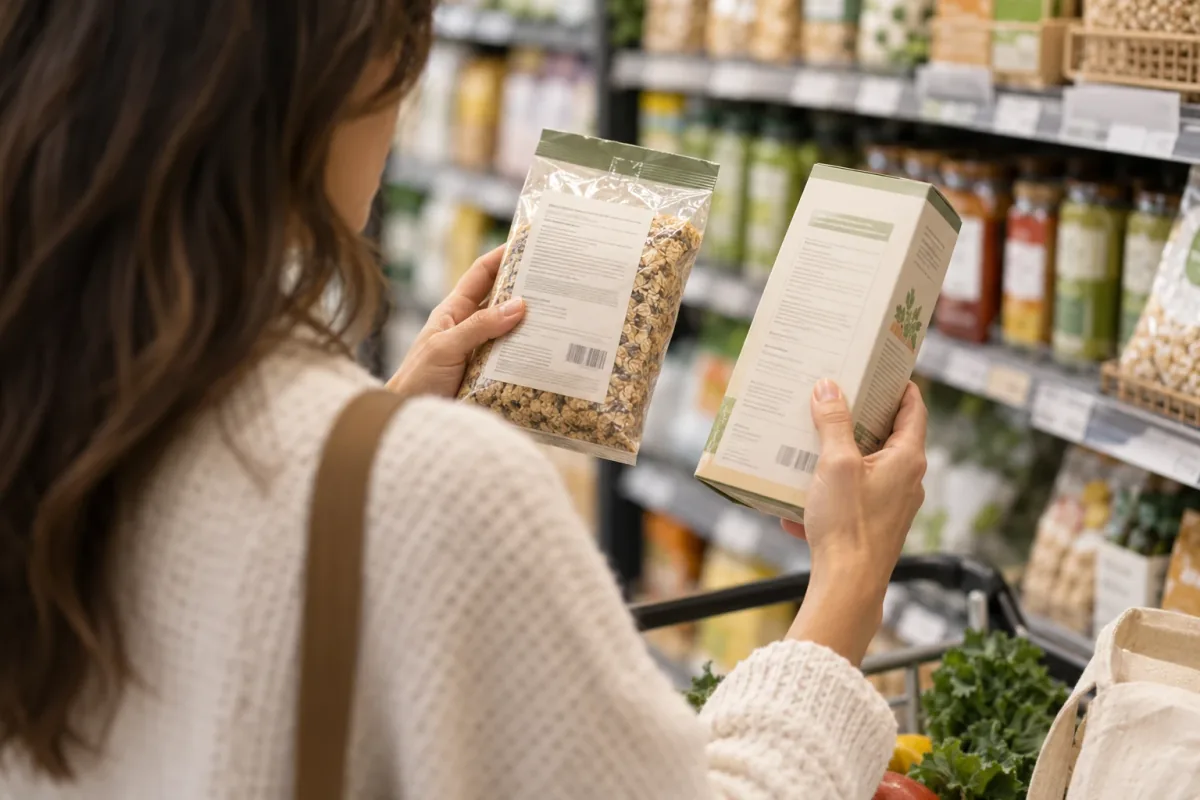
A large package may have a lower unit price but still cost more upfront or create waste. Compare package size, storage, preparation needs, and how much you expect to use.
Likewise, compare fresh, frozen, and canned options according to local availability and your needs. Convenience can have value when time, equipment, or mobility is limited. The cheapest option on a shelf is not always the most workable option at home.
Build a short list of flexible meals
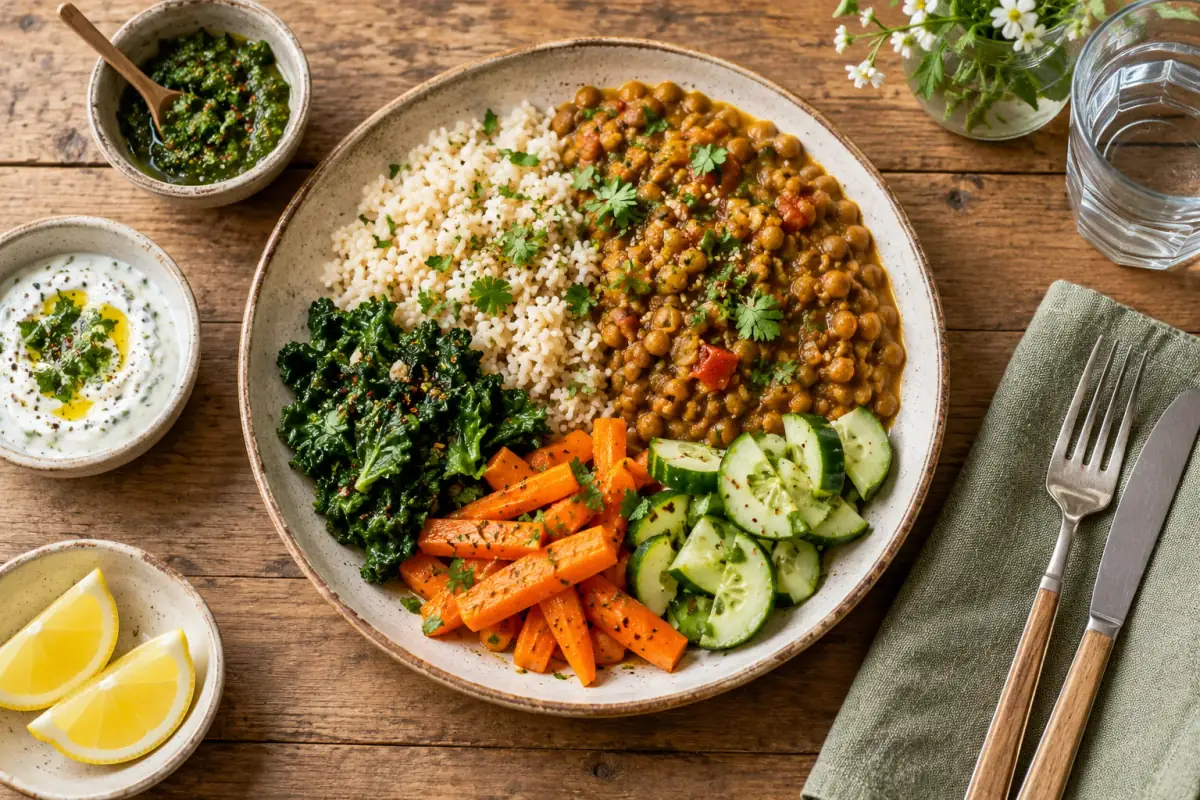
Possible starting points include lentil dishes, bean wraps, vegetable rice, eggs or tofu with toast, or oats with fruit. These are examples rather than guaranteed lowest-cost choices.
Choose meals that match your dietary needs and cooking facilities. If you have no reliable kitchen, plan around accessible prepared foods and available support rather than following instructions built for a full kitchen.
Keep weight goals from driving unnecessary spending
Be cautious when a product suggests it is essential because it is marketed for weight loss. Ask what purpose it serves and whether an ordinary food can meet that purpose.
Budget planning should support eating adequately. Do not make the plan cheaper by ignoring hunger, removing needed meals, or treating food insecurity as a diet strategy.
Common questions
Do I need organic or specialty ingredients?
This meal-planning approach does not require them. Choose foods you can use, enjoy, and afford while accounting for your health needs.
What if my budget is not enough for food?
Look for local food assistance or community support. A tighter shopping list cannot solve every access problem.
Use a short grocery list to connect purchases to meals and reduce duplicate buying, then review it before checkout.
About this article
General education for adults, based on the sources listed below. This article has not been medically reviewed.
This information is educational and is not a substitute for advice from your doctor or a registered dietitian. Read our health disclaimer and editorial policy. Spotted an error? Tell us.
Sources
Nutrition.gov (USDA) — Food Shopping and Meal Planning. Checked Oct 15, 2026.
Sources checked on October 15, 2026. Numbered references support the factual statements marked in the text. Practical scenarios and planning templates are original examples, not clinical study results.