How to Build a Balanced Plate Without Complicated Rules
Learning how to build a balanced plate can make meal decisions less confusing. You do not need a photograph-perfect arrangement or a rule that bans your usual foods. Start by looking at what the meal contains and what would make it more varied and practical for you.
For adults interested in healthy weight loss, a plate framework can help organize choices. It does not establish your personal energy needs or guarantee weight change.
Updated
Sources checked
2 min read
Look at the meal before changing it
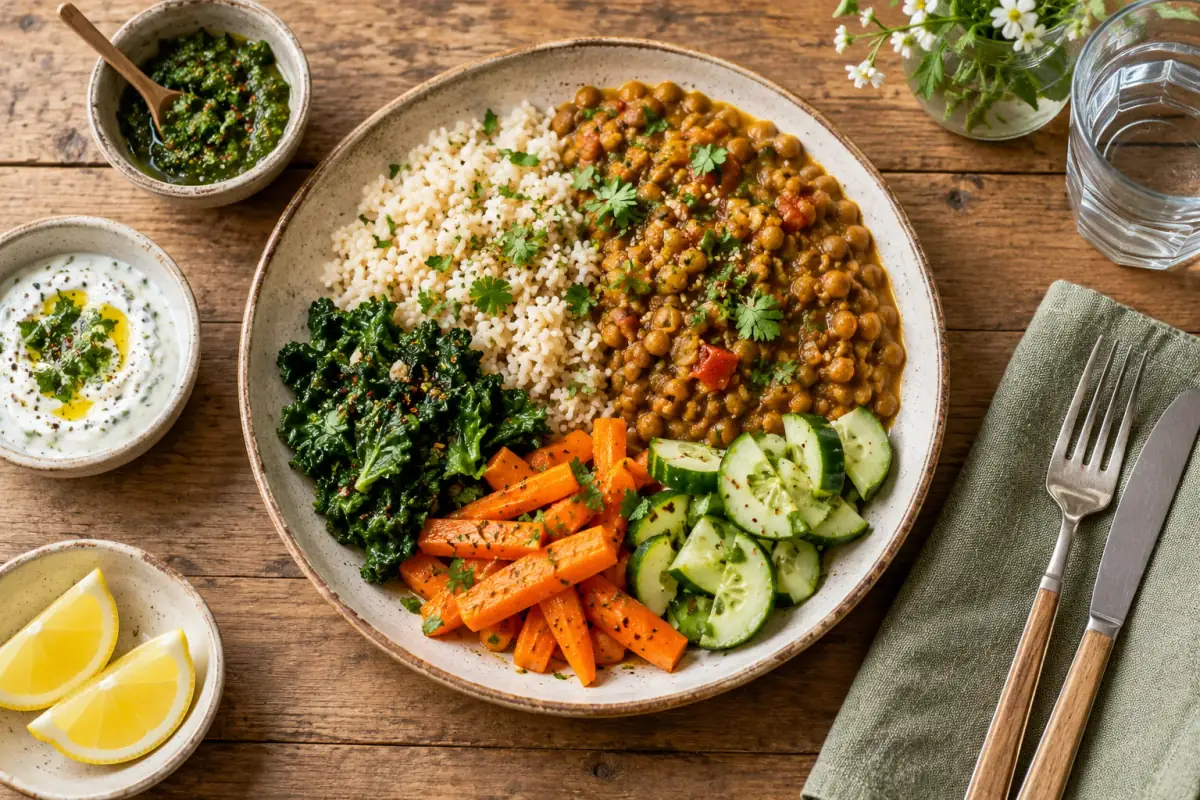
Think of a meal you already eat. What is the main food? Are there vegetables or fruit, a protein food, and a grain or starchy food somewhere in the meal or your wider eating pattern? What do you enjoy about it?
This is an observation exercise rather than a test. A stew, sandwich, rice dish, or bowl may combine several ingredients instead of presenting them in separate sections.
Choose an addition that fits
If vegetables rarely appear in the meal, consider one accessible option: frozen vegetables stirred into rice, sliced cucumber beside a sandwich, or cooked greens added to a familiar dish. The CDC notes that vegetables can be part of an overall eating pattern that supports weight management, particularly when they replace some more energy-dense foods.[1]
The practical question is not “Which vegetable is perfect?” It is “Which option will I use and enjoy?” Availability, preparation, price, and dietary restrictions all matter.
Keep familiar meal patterns
Examples might include lentils, rice, and cooked vegetables; a chicken or tofu wrap with salad; or an egg dish with potatoes and vegetables. These are combinations to adapt, not complete menus or required portions.
You do not need to remove a cultural staple simply because an online plate illustration uses different ingredients. Ask how to balance the meal around the foods you actually eat.
Separate meal structure from portion needs
A varied plate can still be a different size for different people. Hunger, activity, health needs, and other meals affect what is appropriate. Do not assume someone else’s photographed portion is your prescription.
If you need individualized advice, bring a few examples of your usual meals to a registered dietitian. That is more informative than trying to follow a stranger’s plate exactly.
Make your own three-meal reference
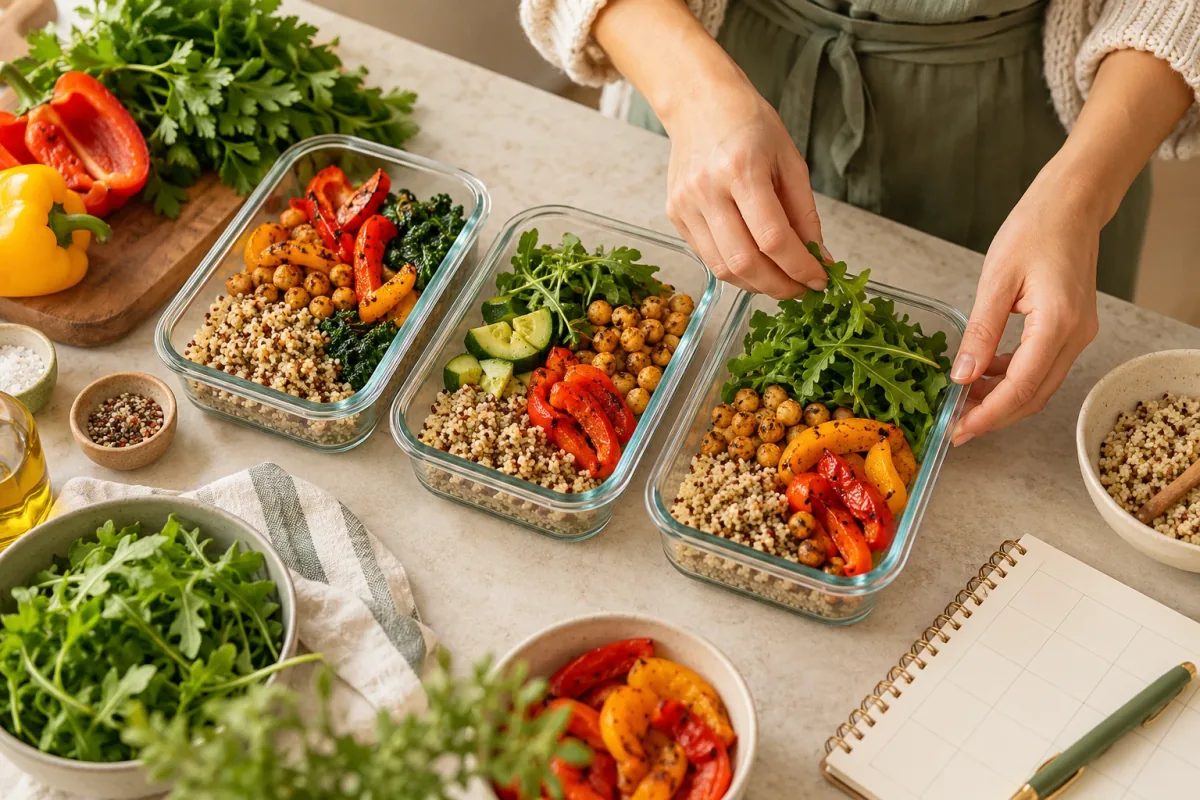
Write down one breakfast, one lunch, and one dinner you can assemble without much effort. For each, note a possible vegetable or fruit, a protein option, and the other ingredients you enjoy. Keep an alternative for an ingredient you often run out of.
Write the combinations into your weekly meal plan. Reuse them rather than expecting every day to introduce a new recipe.
Common questions
Does a balanced plate have to look a certain way?
No. Mixed dishes can include a range of ingredients. Consider the composition of the meal instead of its appearance alone.
Will changing my plate make me lose weight fast?
No particular plate guarantees fast results. For the wider context, read how to lose weight, then adapt meals to your own circumstances.
About this article
General education for adults, based on the sources listed below. This article has not been medically reviewed.
This information is educational and is not a substitute for advice from your doctor or a registered dietitian. Read our health disclaimer and editorial policy. Spotted an error? Tell us.
Sources
CDC — Tips for Increasing Vegetables and Fruits in Your Diet: Healthy Eating for Healthy Weight. Checked Oct 15, 2026.
Sources checked on October 15, 2026. Numbered references support the factual statements marked in the text. Practical scenarios and planning templates are original examples, not clinical study results.