Keto Food List: What Can You Eat?
A keto food list can explain how the eating pattern is usually organized. It cannot tell you exactly what your body needs or guarantee that a particular meal will produce ketosis. Amounts, preparation, and the full day's intake matter.
Keto commonly includes non-starchy vegetables, fat sources, and suitable protein foods while limiting grains, sugary foods, and many other carbohydrate-rich foods.[1] That describes the pattern; it does not make every included food healthy or every limited food unhealthy.
Sources checked
3 min read
Foods commonly included
- Non-starchy vegetables
Examples to investigate
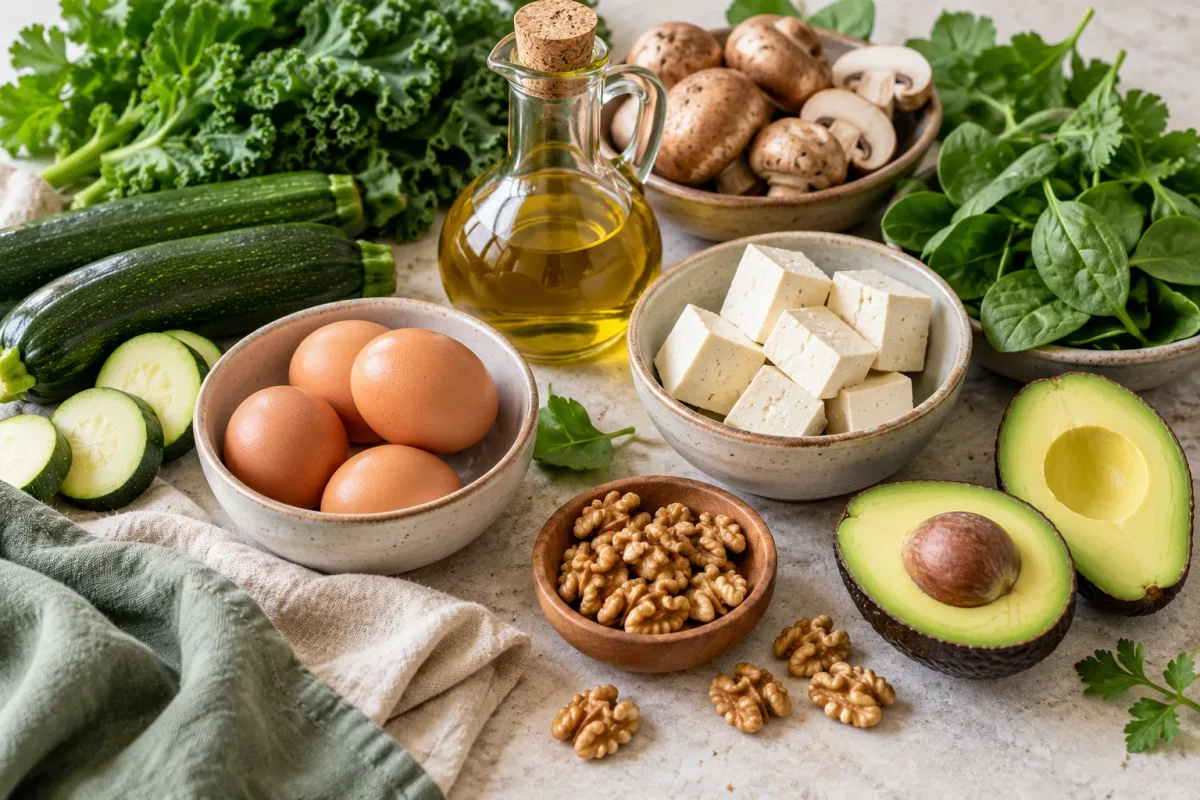
Leafy greens, broccoli, cauliflower, zucchini, mushrooms
What to check
Preparation, sauces, and quantity
- Protein foods
Examples to investigate
Eggs, fish, plain meat, suitable tofu
What to check
Breading, sauces, dietary preferences
- Fat sources
Examples to investigate
Olive oil, avocado, nuts, seeds
What to check
Portions, allergies, overall diet quality
- Dairy or alternatives
Examples to investigate
Some plain cheeses, yogurts, and unsweetened alternatives
What to check
Product-specific carbohydrate and nutrient information
| Food group | Examples to investigate | What to check |
|---|---|---|
| Non-starchy vegetables | Leafy greens, broccoli, cauliflower, zucchini, mushrooms | Preparation, sauces, and quantity |
| Protein foods | Eggs, fish, plain meat, suitable tofu | Breading, sauces, dietary preferences |
| Fat sources | Olive oil, avocado, nuts, seeds | Portions, allergies, overall diet quality |
| Dairy or alternatives | Some plain cheeses, yogurts, and unsweetened alternatives | Product-specific carbohydrate and nutrient information |
These are examples, not a complete menu. The table does not establish a serving size or a daily target. Two products with similar names can have different ingredients and nutrition information.
Foods usually limited
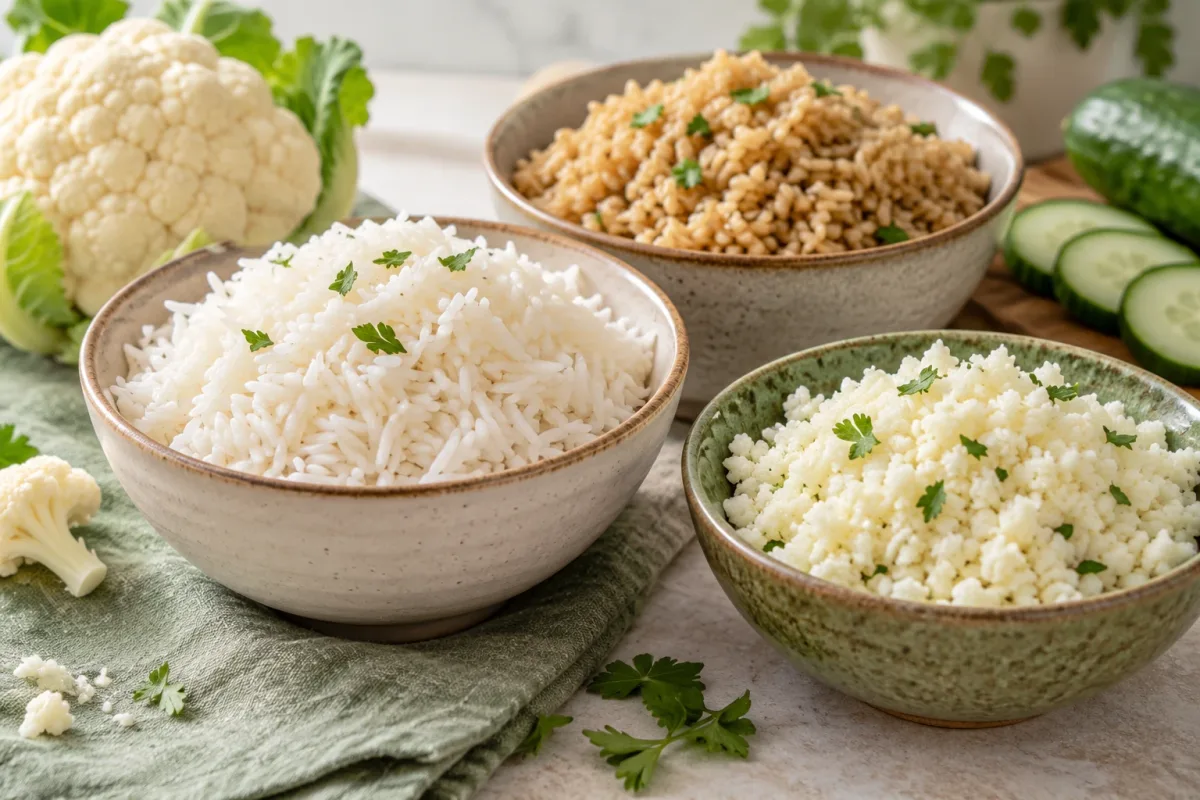
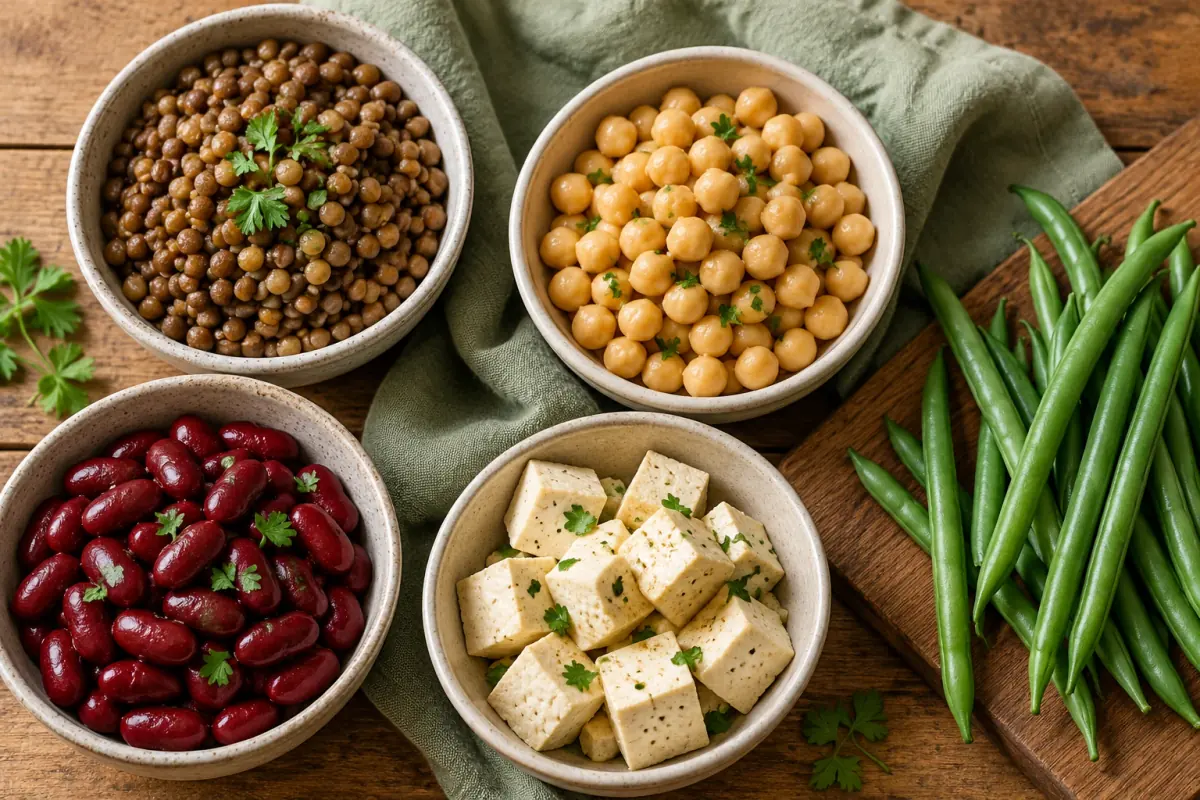
Rice, bread, pasta, potatoes, sugary drinks, sweets, and many fruits and legumes can contribute more carbohydrate than fits comfortably in a strict ketogenic pattern. See rice and keto and lentils and beans on keto for the practical details.
Do not turn these categories into a list of foods everyone should avoid. Whole grains, fruit, and legumes can have a place in other health-supporting patterns. Whether a food is compatible with strict keto is a different question from whether it is nutritious.
Read the package rather than the marketing
Start with the serving size and the amount you expect to eat. The FDA explains that nutrition amounts correspond to the labeled serving, which is not a personal recommendation.[2] A package may contain more than one serving.
Then examine total carbohydrate, fiber, ingredients, and other information relevant to your health. A “keto” claim on the front is not a substitute for this review. If a plan uses “net carbs,” ask how that figure is calculated and whether it is appropriate for your needs. Do not assume it replaces the total-carbohydrate information used in your medical plan.
Build a shopping list around meals
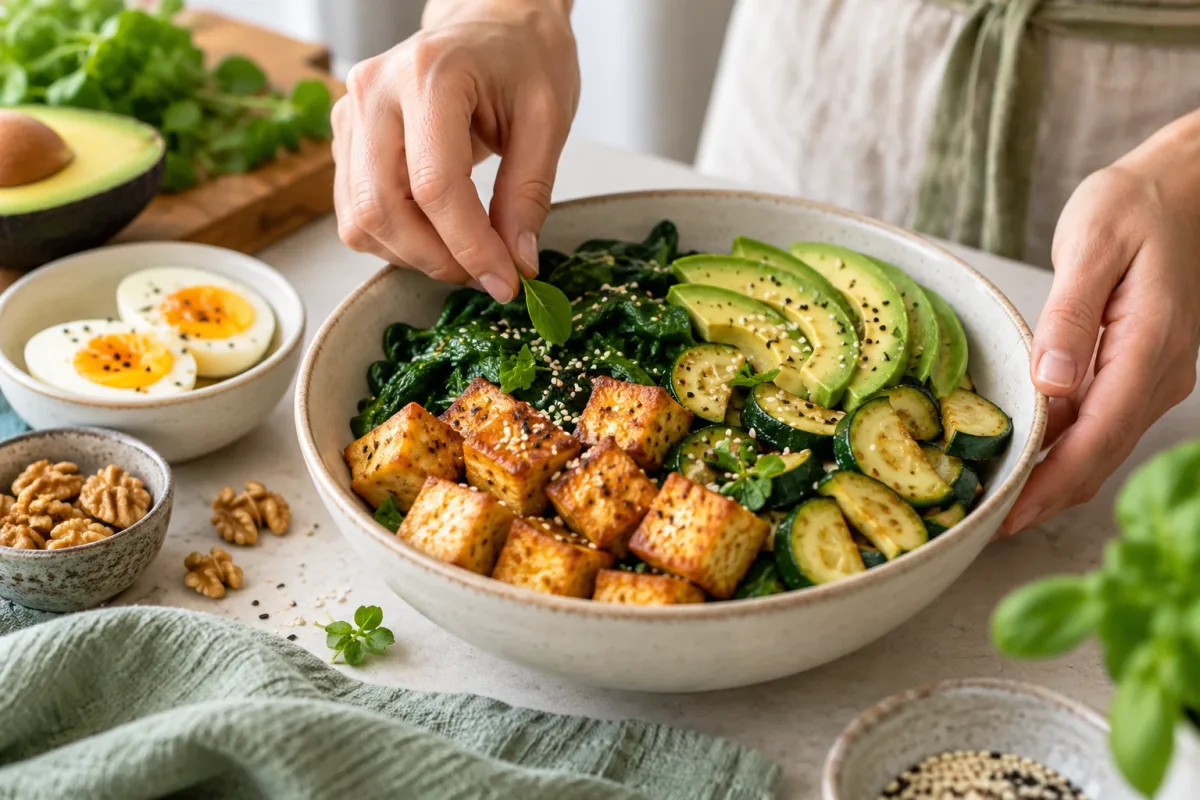
Rather than buying everything labeled keto, choose two meals you would enjoy. A possible combination might be tofu with vegetables and olive oil, or fish with a vegetable side. These are meal ideas, not verified ketogenic menus or complete daily diets.
Check your supplies, write the missing ingredients, and include a backup meal. Keep a short shopping list to keep the shopping task manageable.
Notice what might be missing
If your list becomes very narrow, ask how you will meet fiber and other nutrient needs. A food list should not become a reason to ignore persistent constipation, fatigue, or distress around eating. Bring those concerns to a qualified professional rather than buy a supplement based on an advertisement.
Frequently asked questions
Are vegetables unlimited on keto?
No food list can guarantee that amounts are irrelevant. Different vegetables and preparations contribute different amounts of carbohydrate.
Is every keto-labeled snack a useful choice?
Not necessarily. Compare the actual product, price, portion, and nutritional role instead of relying on a label alone.
Do I need special keto products?
This guide does not require them. Familiar foods may be more practical. Read keto on a budget before assuming specialty purchases are essential.
About this article
General education for adults, based on the sources listed below. This article has not been medically reviewed.
This information is educational and is not a substitute for advice from your doctor or a registered dietitian. Read our health disclaimer and editorial policy. Spotted an error? Tell us.
Sources
Harvard Nutrition Source — Diet Review: Ketogenic Diet for Weight Loss. Checked Oct 16, 2026.
FDA — How to Understand and Use the Nutrition Facts Label. Checked Oct 16, 2026.
Source links checked October 16, 2026. Numbered markers identify support for factual statements. Meal ideas, comparisons, and planning questions are original illustrative examples, not individualized menus or clinical trial results.