Keto and Cholesterol: What Does the Evidence Say?
The relationship between keto and cholesterol cannot be reduced to “keto fixes cholesterol” or “everyone has the same response.” Different people and different menus can produce different results. Weight change alone does not tell you what happened to blood lipids.
The practical answer: a ketogenic diet can raise LDL cholesterol in some people. Do not assume a favorable change in another marker makes an LDL increase irrelevant.[1]
Sources checked
3 min read

Know what the discussion is measuring
Cholesterol conversations often mix several markers together, including LDL cholesterol, HDL cholesterol, and triglycerides. These are not interchangeable readings. Ask which measure changed and how it fits your overall cardiovascular risk.
A home scale does not measure these markers. Feeling well or losing weight is not a substitute for appropriate clinical testing and interpretation.
Food choices still matter
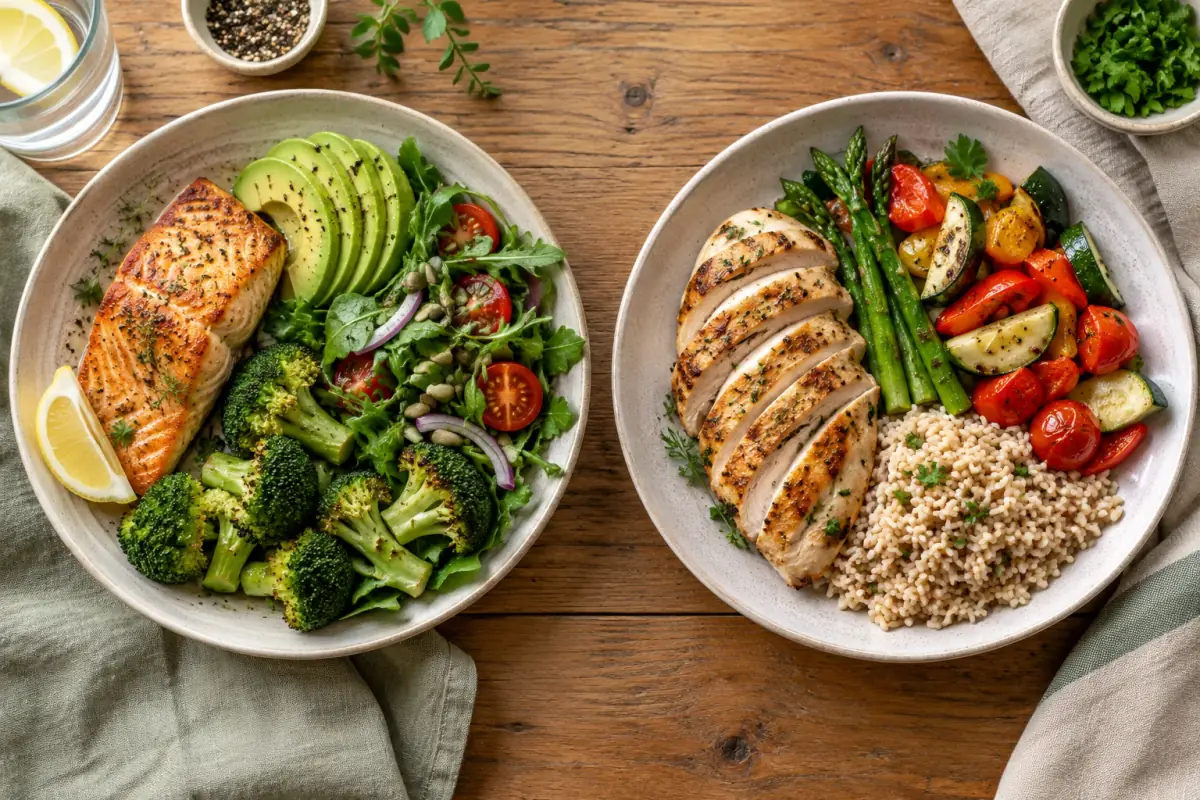
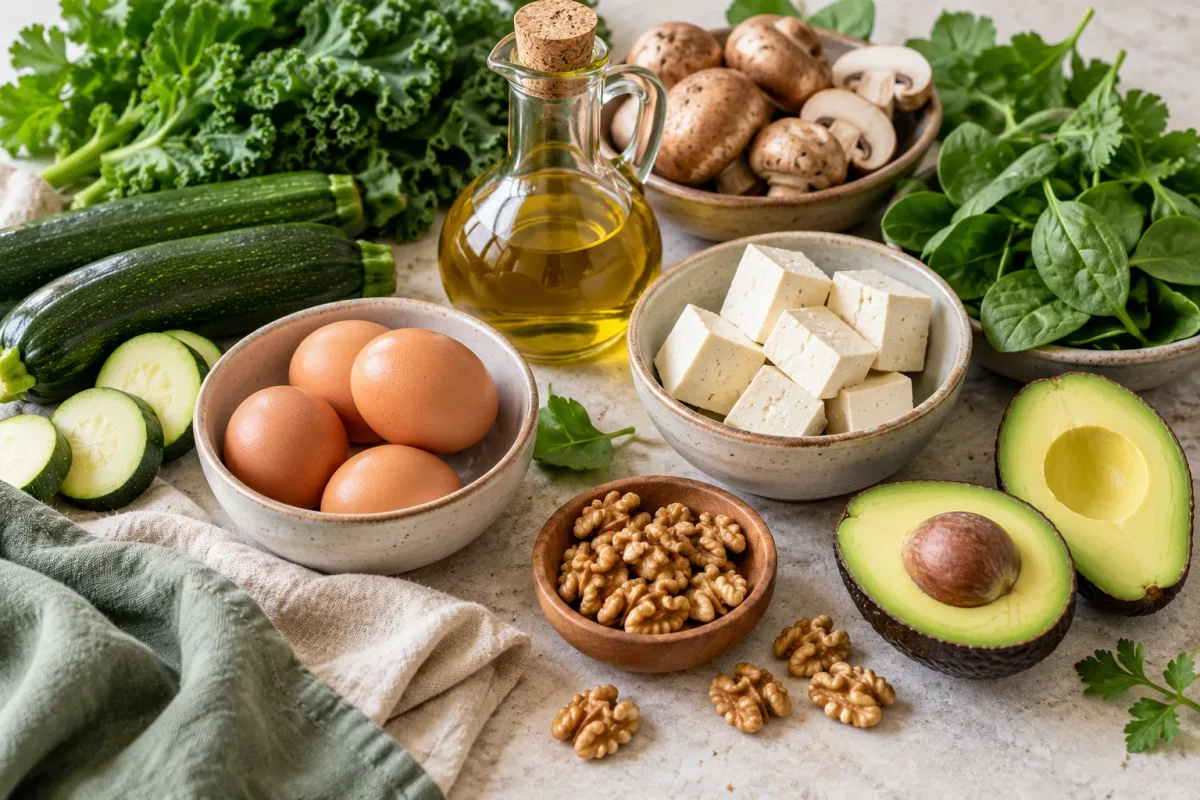
A ketogenic pattern based heavily on butter, fatty meats, and similar saturated-fat sources differs from one emphasizing other foods. The American Heart Association advises reducing saturated and trans fats as part of managing cholesterol and highlights the importance of an overall heart-supporting pattern.[1]
That does not mean substituting one oil makes every ketogenic diet appropriate. It means the label keto gives too little information to judge diet quality on its own.
What the Keto-Med trial can tell us
The Keto-Med randomized crossover trial compared a well-formulated ketogenic pattern with a Mediterranean-style pattern in adults with prediabetes or type 2 diabetes. Changes in some measures favored different diets: triglycerides favored the ketogenic phase, while LDL cholesterol favored the Mediterranean-style phase.[2]
The study also reported lower fiber and some nutrient intakes during the ketogenic phase. Its relatively short duration and selected population matter when interpreting results. The trial does not prove what every person will experience or establish long-term heart-attack outcomes.
This is why a headline about one favorable marker should not become a blanket statement that a diet protects the heart.
Review your own situation with a professional
If you are considering a major change, ask your healthcare team how your existing cholesterol results, family history, medical conditions, and treatment affect the decision. Agree on appropriate follow-up rather than waiting for an online symptom checklist.
Bring an honest description of the foods you eat. A list of actual meals is more useful than saying only that you are “doing clean keto.” Marketing terms do not replace a nutritional history.
Do not stop or alter prescribed cholesterol medication because weight has fallen or a diet influencer says a laboratory result no longer matters.
Consider the whole pattern
Ask whether the eating approach supports vegetables, useful fiber sources, adequate nutrition, and habits you can maintain. If achieving ketosis repeatedly conflicts with those goals or your medical advice, reconsider the requirement to pursue ketosis.
A less restrictive plan can still be a serious health decision. You do not have to select the strictest diet to show commitment.
Frequently asked questions
Can LDL rise even if I lose weight?
Yes, those outcomes can occur together. Weight and blood lipids are different measures, so use appropriate testing and clinical interpretation.
Does higher HDL cancel out higher LDL?
Do not assume one result makes another unimportant. Your healthcare team should interpret the full pattern and your individual risk.
Should I use supplements to manage the change?
Do not substitute unproven products for assessment or prescribed care. Discuss any supplement with your healthcare team. Return to the main keto guide for the broader considerations before choosing an approach.
About this article
General education for adults, based on the sources listed below. This article has not been medically reviewed.
This information is educational and is not a substitute for advice from your doctor or a registered dietitian. Read our health disclaimer and editorial policy. Spotted an error? Tell us.
Sources
American Heart Association — Prevention and Treatment of High Cholesterol. Checked Oct 16, 2026.
Gardner et al. — Keto-Med Randomized Crossover Trial, American Journal of Clinical Nutrition (2022). Checked Oct 16, 2026.
Source links checked October 16, 2026. Numbered markers identify support for factual statements. Meal ideas, comparisons, and planning questions are original illustrative examples, not individualized menus or clinical trial results.