A Beginner’s Guide to Starting a Walking Routine
Walking is free, needs no special skills and can be done almost anywhere: around your neighborhood, in a park, at a shopping mall or even up and down a hallway. For many people, it is the most approachable way to start moving more.
This guide walks you through how to begin, how to tell whether you are walking at a moderate pace, what to wear and how to stay safe. Whether you are new to exercise or coming back after a long break, you can start right where you are.
Sources checked
4 min read
Before you start
Most people can begin a gentle walking routine without any special preparation. However, if you have a chronic health condition, joint problems, trouble with balance, get out of breath easily, or are simply unsure about your health, talk with a doctor or other health care professional before you start. They can help you choose a safe starting point.
It also helps to think about why you want to walk. Maybe you want more energy, a way to clear your head after work, time outdoors, or to keep up with your kids. A personal reason is easier to come back to than a vague "I should exercise more."
Start small and build up gradually
If you have been inactive, start slowly and see how you feel. Then gradually increase how long and how often you walk. A short daily walk is a perfectly good beginning. The UK NHS notes that even a brisk 10-minute daily walk has health benefits.
You do not have to do it all at once. If you do not have time for one long walk, several short walks spread through the day are a great option.
A sample way to progress
- First, find your baseline. Walk at a comfortable pace for as long as feels easy, even if that is only 5 or 10 minutes.
- Build consistency. Repeat that walk on most days until it feels routine.
- Add a little time. Add a few minutes to some of your walks, or add an extra walk on another day.
- Pick up the pace. Once longer walks feel comfortable, include stretches of brisker walking.
Over time, many people work toward the general guideline for adults of at least 150 minutes of moderate-intensity activity a week, such as brisk walking. That could be 30 minutes on 5 days, or shorter walks more often. If you are not there yet, that is fine. Some activity is better than none.
Finding your pace with the talk test
You do not need a heart rate monitor to know how hard you are working. The talk test is a simple way to check your effort:
- Moderate intensity: you can talk, but you cannot sing the words to a song.
- Vigorous intensity: you cannot say more than a few words without pausing for a breath.
Brisk walking usually falls in the moderate range. When you are just starting out, it is fine to walk at an easy, comfortable pace first and build up to brisk walking over time.
What to wear
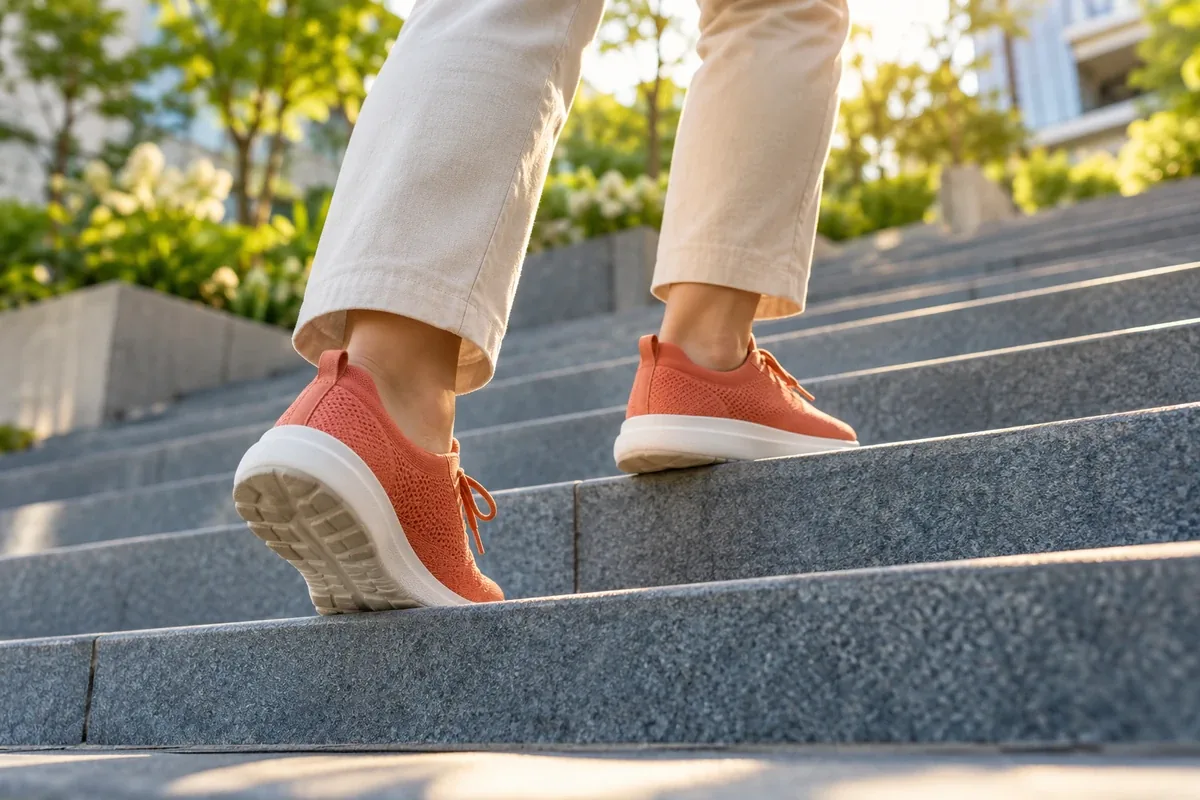
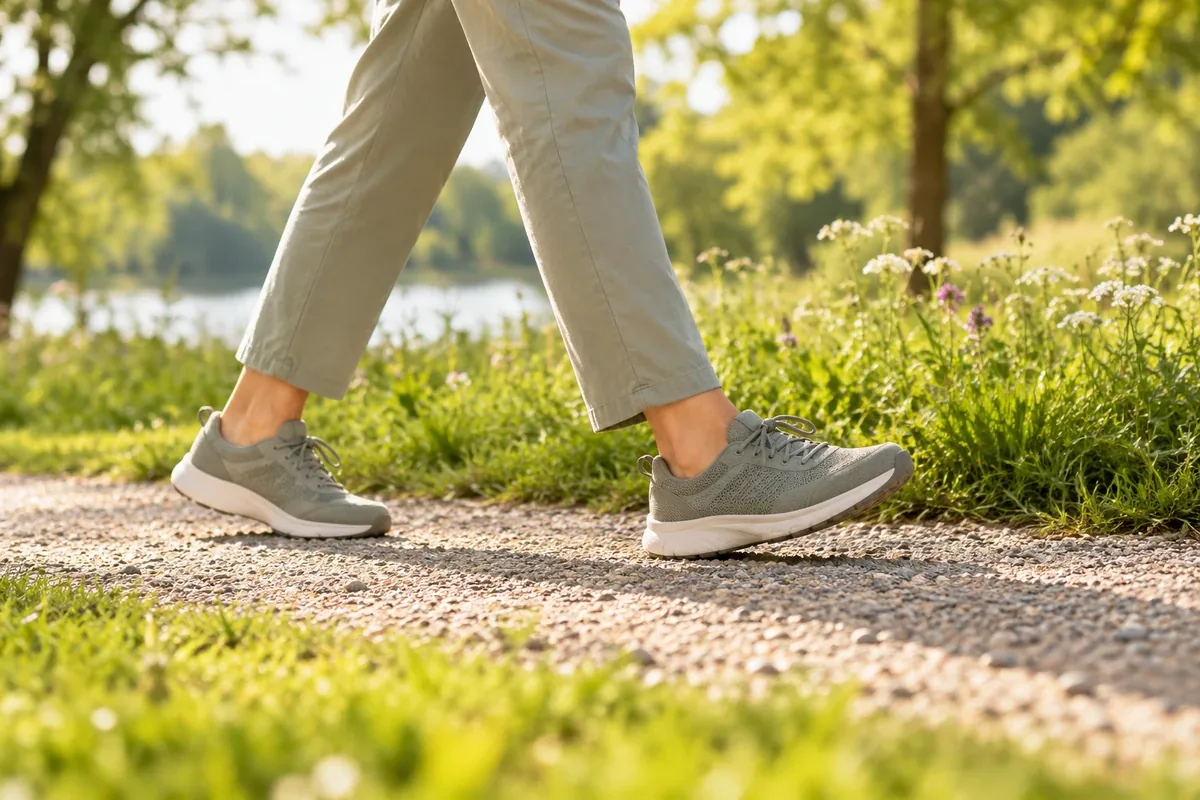
You do not need expensive gear. Any comfortable shoes that give your feet good support and do not cause blisters are fine to begin with. Look for well-fitting walking shoes with plenty of support, and socks that absorb sweat.
- Dress in layers so you can adjust as you warm up or the weather changes.
- Wear bright or reflective clothing if you walk when it is dark or getting dark.
- Bring water on longer walks or in warm weather.
Walking safely
- Choose well-lit, busy places such as a park, a shopping mall or a well-used path.
- Walk with a friend or let someone know your route when you can.
- Have an indoor backup, like a mall or a hallway, for bad weather.
- Stay aware of traffic and uneven ground, especially if you listen to music.
Making walking a habit
Walking is easiest to stick with when it becomes part of your normal day. Try linking it to something you already do, such as walking right after breakfast, during your lunch break or after dinner. You can also build it into errands and travel by walking part of your commute or to nearby shops.
- Make it enjoyable. Explore new routes, walk with a friend or listen to a podcast.
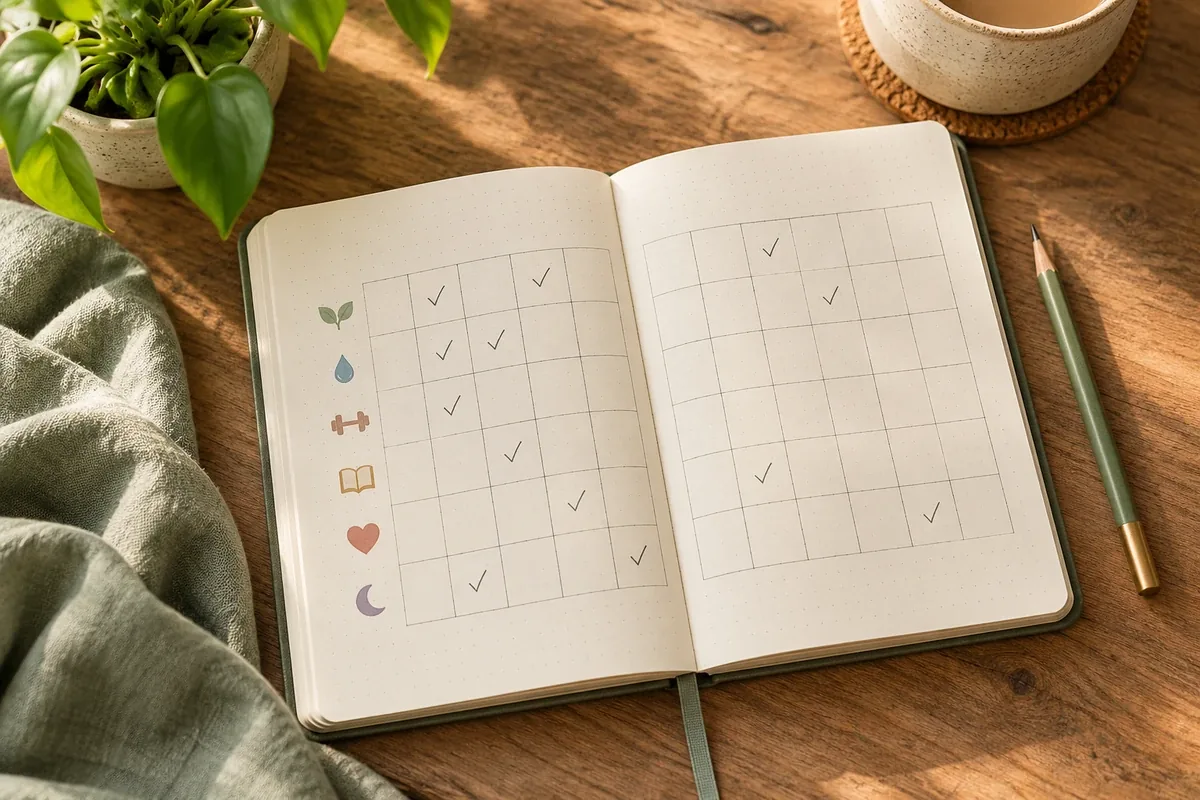
- Track it. A simple check mark on a calendar helps you see your progress.
- Be flexible. On busy days, a 5-minute walk still keeps the habit alive.
- Notice the wins. Pay attention to how you feel: better mood, easier stairs or more energy are all worth celebrating.
For more ideas on fitting movement into your day, see how to move more every day. And if you miss a few walks, read getting back on track after a busy week. One missed day does not undo your progress.
About this article
General education for adults, based on the sources listed below. This article has not been medically reviewed.
This information is educational and is not a substitute for advice from your doctor or a registered dietitian. Read our health disclaimer and editorial policy. Spotted an error? Tell us.
Sources
National Institute of Diabetes and Digestive and Kidney Diseases (NIDDK) — Staying Active at Any Size. Checked Oct 13, 2026.
Centers for Disease Control and Prevention (CDC) — How to Measure Physical Activity Intensity. Checked Oct 13, 2026.
NHS — Walking for health. Checked Oct 13, 2026.
Centers for Disease Control and Prevention (CDC) — Adult Activity: An Overview. Checked Oct 13, 2026.