What to Eat While Taking Ozempic: Nutrition and Meal Planning Tips
Beginning to take Ozempic can affect the way you experience your meals. You might feel satisfied even when eating smaller amounts, notice a decreased interest in food, or suffer from digestive symptoms which make usual dishes less attractive. As a result, you could end up unsure about what to eat and start to question if you need to follow a special diet.
There is no one meal plan which every person taking Ozempic has to follow. A sensible way to proceed is to select nutritious foods, modify the amounts according to your own tolerance, and make sure that you are getting adequate nutrition to maintain your health.
Ozempic is prescribed in conjunction with diet and exercise for people with type 2 diabetes and has further approved uses in certain patient groups. Since it has effects on digestion and may cause side effects, it is useful to give individualized nutrition advice.[1]
The guide includes some suggestions regarding meals and advice on how to plan them. You should modify these with your healthcare professional or registered dietitian, especially if you have kidney disease, severe digestive symptoms, or other dietary restrictions.
Published
Sources checked
10 min read

Why Food Choices Matter While Taking Ozempic
Just because you eat less doesn't mean that you are eating well; when your appetite reduces, the food you consume still has to contain protein, vitamins, minerals, and enough energy.
An advisory issued jointly by organizations concerned with nutrition and obesity stresses the importance of ensuring nutrient adequacy, managing digestive symptoms, and maintaining muscle mass when undergoing GLP-1 treatment; it suggests that appropriate nutrition should be combined with physical activity, including resistance exercise where it is appropriate.[2]
Instead focus on what a meal can contribute rather than just on how small you can make it; although a few crackers might offer some relief during a short spell of nausea, they do not constitute a complete long-term eating pattern.
If you are unable to eat adequately again and again, you should tell your doctor. Since there is a continuous problem with eating, it should be evaluated not celebrated in order to achieve faster weight loss.
Build Meals Around a Simple Structure
The diabetes plate method offers a straightforward starting point:[3]
- Put about half of the plate into the nonstarchy vegetables.
- Use one quarter for a lean protein source.
- Save the remaining quarter for foods high in carbohydrates.
- Choose water or another plain drink without added sugar.
This method will allow you to plan your meals without the need for detailed calculations; your clinician might suggest carbohydrate counting or some other technique instead.
The plate serves as a guide to proper proportions and is not something that has to be used in order to finish a large meal; you should adjust the total quantity according to your nutritional requirements and tolerance.
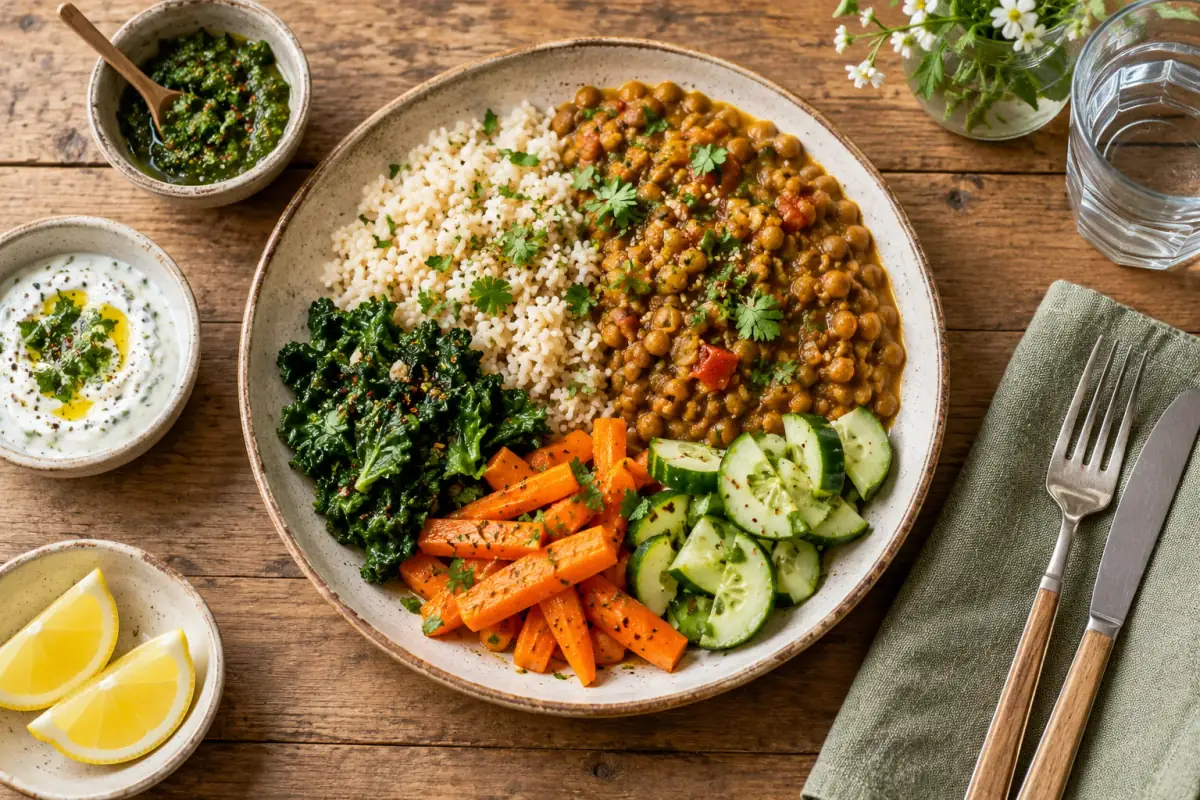
For instance, the meal could consist of baked fish, cooked green beans, and rice; a vegetarian alternative would be tofu, sautéed vegetables, and a small portion of whole-grain noodles.
Include Protein Across Your Meals
When appetite is low, protein should be given attention and practical sources of it are eggs, fish, chicken, tofu, beans, lentils, plain Greek yogurt and cottage cheese.
Instead of having a single large dinner, you could add a protein at a number of meals. For example, breakfast could consist of yogurt or eggs, and lunch could include lentils, tofu, or chicken.
Protein in adequate amounts helps to maintain muscle, but protein by itself cannot take the place of resistance or strength training. When putting together your activity plan you should take into account your own capabilities and medical situation.[2]
It's best not to set a very high protein target based on what you see on social media, since people with chronic kidney disease may require individually tailored protein intakes and the recommended amounts can vary according to kidney function and the type of dialysis being received. A dietitian who specializes in kidney health can help arrange these requirements.[4]
Keep Carbohydrates in Perspective
The fact is that you need not give up rice, bread, fruit, or other carbohydrate foods if you take Ozempic.
The American Diabetes Association considers quality carbohydrates—such as whole grains, fruit, starchy vegetables, and milk—part of healthy eating patterns, and it is also important to pay attention to portion size and the entire meal.[5]
When planning meals in practice, it is better to combine a carbohydrate with some protein and vegetables rather than designing each meal around a large amount of starch.
Examples are oatmeal together with plain yogurt, rice accompanied by tofu and vegetables, or whole-grain toast with eggs.
Favorite cultural foods can also be included. A meal made up of dal, rice, and cooked vegetables can be useful. The quantities and method of preparation should correspond with your diabetes plan, your appetite, and any other dietary requirements.
Add Fiber Gradually
Foods that contain fiber such as oats, beans, lentils, fruits, vegetables, and whole grains can help to maintain regular bowel movements.[6]
If you're increasing your fiber intake then do it slowly and make sure you are drinking plenty of fluid according to your individual situation since adding too much at one time could cause discomfort. The NIDDK suggests that fiber intake should be adjusted under professional guidance and adds that fluids help fiber to work properly.[6]
Begin with some minor changes, for example by adding a little oats or some cooked vegetables. It is not necessary to introduce bran cereal, beans, raw salads, and fiber supplements all at once.
If you are experiencing ongoing early fullness, marked bloating, or are suspecting that your stomach is emptying delayed, you should get personalized advice before increasing your fiber intake. Ozempic is not suggested for individuals who have severe gastroparesis.[1]
What to Eat When You Feel Nauseated
The manufacturer recommends that when experiencing mild nausea one should eat slowly, select bland foods and avoid those which are fried, greasy or very sweet; it also tells people to avoid lying down straight after eating.[7]
Toast, crackers, or broth might be easier to put up with for a short time, so you should try small quantities and then see how you feel rather than eating a large meal.
When the symptoms have improved, gradually return to eating a variety of foods; a bland diet should not turn into a long-term one consisting almost entirely of crackers and toast.
Record briefly the foods and the amounts of them that cause discomfort and then use this information when talking over the patterns with your clinician, rather than making a longer and more restrictive list of foods to avoid.
Foods You May Want to Limit
There is no single list of foods which all people taking Ozempic have to avoid, but large fried meals, rich sauces and very sweet foods might be hard to tolerate if nausea sets in.[7]
When it comes to everyday nutrition, it is important to stress the inclusion of vegetables, high-quality carbohydrates, lean or plant-based proteins, and appropriate fats at the same time as reducing added sugar.[3]
Practical changes could be to select grilled chicken rather than fried chicken, to ask for the dressing to be served on the side, or to get a smaller portion from the restaurant.
It is not necessary to eliminate all foods that are enjoyable. You should be aware of your tolerance, think about the amounts you eat, and not regard a single meal as a success or a failure.
If certain foods such as coffee, spicy dishes or carbonated drinks continually cause you trouble, then you should consider whether cutting them down will make any difference.
Drink Regularly Throughout the Day
Make sure that water is always available and drink it regularly rather than holding off until the evening to make up for it. Drinks without sugar can also be included in your plan.
Vomiting and diarrhea may lead to dehydration and kidney issues. You should get in touch with your healthcare professional if the symptoms persist or if you are unable to take in fluids.[1]
It would be wrong to suppose that everyone requires the same daily intake of liters. Those individuals who have particular kidney conditions may need to have fluid intake restricted, so one should adhere to the quantity advised by their care team.[4]
Similarly, you should not simply add electrolyte powders or sports drinks, since their amounts of sugar, sodium, and potassium might not match your requirements.
A Flexible Day of Meal Ideas
The following examples give you combinations which you can use. They do not constitute a prescribed calorie plan nor can they be guaranteed to ensure adequate intake for every individual.
- Breakfast
Example
Plain Greek yogurt with oats and berries
Alternative
Eggs with whole-grain toast
- Lunch
Example
Chicken, cooked vegetables, and rice
Alternative
Tofu with vegetables and quinoa
- Optional snack
Example
Cottage cheese with fruit
Alternative
A small serving of hummus with crackers
- Dinner
Example
Baked fish, potatoes, and green beans
Alternative
Lentils with rice and cooked vegetables
| Meal | Example | Alternative |
|---|---|---|
| Breakfast | Plain Greek yogurt with oats and berries | Eggs with whole-grain toast |
| Lunch | Chicken, cooked vegetables, and rice | Tofu with vegetables and quinoa |
| Optional snack | Cottage cheese with fruit | A small serving of hummus with crackers |
| Dinner | Baked fish, potatoes, and green beans | Lentils with rice and cooked vegetables |
You should choose the amounts of food to eat with your dietitian; while snacks can be helpful when having smaller meals enables you to meet your nutritional needs, they are not necessary for all people.
You can change the ingredients according to any allergies, budget, cultural preferences, or personal tolerance; it is not necessary to use an expensive specialty ingredient if a common food can carry out the same function.
Make Meal Preparation Easier
Rather than creating a totally new menu each day, select two or three breakfasts and lunches that you like.
For instance, you could boil some lentils, cook the rice, wash the vegetables and divide up a few protein foods. The ingredients can then be used to make a number of different meals throughout the week.
For busy days it is a good idea to have convenient items on hand such as frozen vegetables, plain yogurt, eggs, canned beans, or appropriate canned fish.
When you're shopping, stick to the foods that you actually eat, since buying large quantities of little-known "diet food" can result in waste and in meals becoming a chore.
It is usually simpler to keep a brief list of groceries and have a few dependable meals than it is to follow an elaborate weekly schedule.
Be Careful About Skipping Meals
Since your appetite has decreased it might seem attractive to go most of the day without eating, but whether or not that is safe will depend in part on your treatment plan.
Omitting or putting off mealtimes can lead to low blood sugar in individuals who are on drugs like insulin or sulfonylureas. You should ask your healthcare team about adjusting your meal times and monitoring if your appetite changes.[1][8]
Make sure you have your action plan for low blood sugar. Shaking, sweating, dizziness, or confusion shouldn't be taken automatically as just being hungry.[8]
You should not adjust the dose of your diabetes medication on your own in order to cope with a new eating pattern.
Do You Need Protein Shakes or Supplements?
The fact is that protein shakes and supplements are no automatic necessity if you are taking Ozempic.
Nutrition support must be aimed at meeting a specific need. If a dietitian recommends a supplement or a nutrition drink because ordinary meals are not enough, the product has to be suitable in view of your health situation and your total food intake.
It is stressed by professionals that nutrient intake should be evaluated rather than assuming that all users of GLP-1 require the same supplement regimen.[2]
Do not buy any products just because they are promoted as "Ozempic essentials". If you are thinking of doing so, take their ingredient lists to either your pharmacist or dietitian.
When to Ask for Individualized Help
If you find that you are unable to meet your food or fluid requirements again and again, or if your symptoms are interfering with your everyday life, or if planning your meals becomes more and more restrictive, then you should get in touch with your healthcare team.
If you have severe abdominal pain, are vomiting repeatedly, or are unable to keep fluids down, you should seek medical attention instead of continuing to try different foods.[1]
Take a brief record of the meals, symptoms, and any relevant glucose readings; find out what should be given priority, what adjustments are suitable, and if it would be helpful to have a referral to a dietitian.
The aim is to establish an eating pattern that supports your treatment, supplies sufficient nutrition, and is suitable within your everyday life—not to create a perfect menu or to reduce the amount of food as much as possible.
About this article
General education for adults, based on the sources listed below. This article has not been medically reviewed.
This information is educational and is not a substitute for advice from your doctor or a registered dietitian. Read our health disclaimer and editorial policy. Spotted an error? Tell us.
Sources
FDA label via DailyMed — Ozempic (semaglutide) injection: Prescribing Information and Medication Guide. Checked Oct 21, 2026.
American Journal of Clinical Nutrition (2025), via PubMed — Mozaffarian et al. Nutritional priorities to support GLP-1 therapy for obesity: a joint Advisory from the American College of Lifestyle Medicine, the American Society for Nutrition, the Obesity Medicine Association, and The Obesity Society. Checked Oct 21, 2026.
NIDDK — Healthy Living with Diabetes. Checked Oct 21, 2026.
NIDDK — Healthy Eating for Adults with Chronic Kidney Disease. Checked Oct 21, 2026.
American Diabetes Association — Get to Know Carbs. Checked Oct 21, 2026.
NIDDK — Eating, Diet, & Nutrition for Constipation. Checked Oct 21, 2026.
Novo Nordisk — Ozempic pen: side effects. Checked Oct 21, 2026.
NIDDK — Low Blood Glucose (Hypoglycemia). Checked Oct 21, 2026.
Source links checked October 21, 2026. Numbered markers identify support for factual statements. Meal ideas are adaptable examples, not a personalized meal plan or nutrition prescription; amounts should be set with your healthcare team or a registered dietitian. Source 7 is the manufacturer’s consumer page, cited only for what the manufacturer states.